How ODMAC is turning diabetes and obesity care into clinical data
India has more than 100 million people living with diabetes, and a large share of them, especially Type 1 patients, are managing a condition that demands daily, sometimes hourly decisions. Most of that management happens between clinic visits, not during them, and right now, it happens on WhatsApp. A blood sugar reading gets sent to a doctor at 11pm. A diet question goes to the clinic’s dietician, who is already juggling a full patient list. A diabetes educator tries to track adherence through a scattered string of voice notes. This isn’t a failure of the clinicians doing the work. It’s a failure of the tools they’ve been given to do it with.
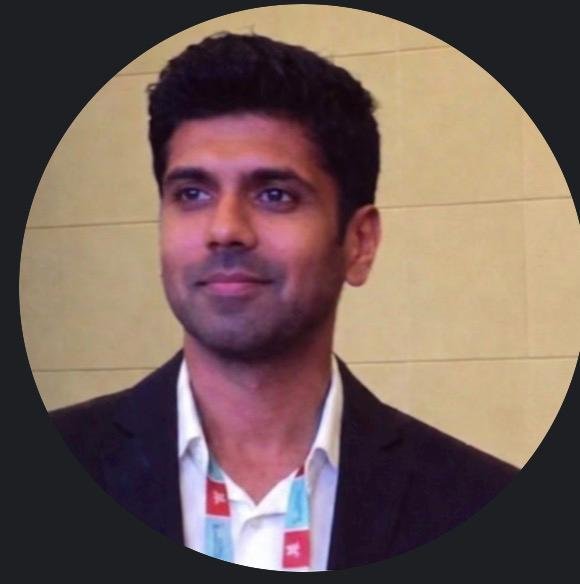
Swaraj Bole, founder of 7one Labs, built ODMAC to close that gap. “Everything lives in WhatsApp groups. There’s no structured place to store patient data, so doctors end up scrolling back through chat history just to find a reading from two weeks ago. Phone numbers get shared around the group, there’s no real privacy layer, and the sheer volume of it adds up to real cognitive overload for the clinical team,” says Swaraj. “The doctors we work with are excellent clinicians. They shouldn’t be losing hours a week to chat management when that time belongs to patients.”
Swaraj isn’t building another patient-facing tracker. That category is crowded, and most of it struggles with the same adherence problem. ODMAC takes the opposite approach: it’s built for the care team first. Doctors, diabetes educators, dietitians and patients sit on one platform, and every glucose reading, meal log and medication note reaches the right person automatically instead of getting buried in a chat thread. For clinics managing Type 1 diabetes and obesity-linked metabolic disease, where the margin for error is small and coordination between specialists is everything, that is a real structural fix, not another dashboard competing for a doctor’s attention. Diabetes is where ODMAC started, but obesity management runs on the same broken coordination model, and 7one Labs is now extending the platform to bring obesity care onto it as well, working with the same clinician-in-loop approach across nutrition, medication and lifestyle tracking.
The more consequential part of what 7one Labs is building sits underneath the app. Every interaction on ODMAC, glucose trends, dietary responses, medication changes, outcomes across a clinic’s full patient base, becomes structured clinical data instead of disappearing into a chat log. Swaraj calls this ODMAC’s clinical intelligence layer. It is what turns the platform from a communication tool into a real-world evidence base that clinics and researchers can actually work with, in an area where usable data at this scale is still hard to find in India.
Swaraj is careful not to oversell a young company, but the early signal is real. In a three-month pilot, clinics using ODMAC reported improvement across the three metrics that matter most in diabetes management: HbA1c, postprandial glucose and random blood sugar. For a platform built on the premise that consistent clinician oversight beats sporadic WhatsApp check-ins, that is the result that counts, not engagement numbers, but the clinical outcomes doctors actually care about.
That early data has not gone unnoticed by the clinicians using it. Dr. Unnikrishnan AG, a Chief Endocrinologist practicing in Pune, has used ODMAC with his own doctors in daily practice. He says the platform has been particularly useful for nutrition planning and medication adherence, with real benefits in day-to-day clinical use, a distinction that matters in a category where most health apps never make it past a pilot deck and into an actual doctor’s workflow. Backing from a named, practicing endocrinologist, rather than an anonymous beta tester, is a stronger form of validation than most early-stage health products can point to.
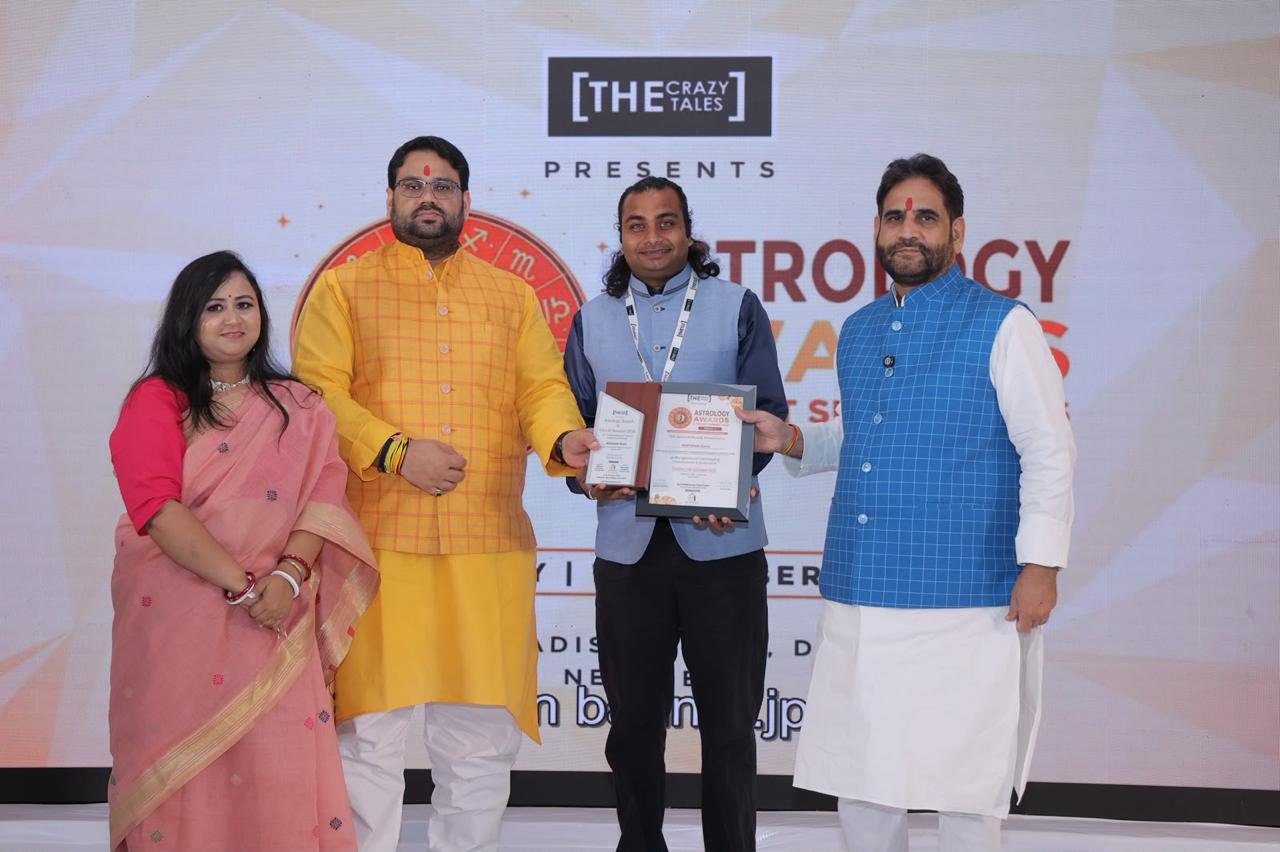
Swaraj has also taken the thesis directly to the people who will decide whether it holds up: the doctors themselves. He recently took the stage at the 10th International Diabetes Summit, addressing a room of endocrinologists and diabetes specialists, not as a startup pitching software, but as a founder laying out a vision for where diabetes and obesity care is headed next. That is the kind of platform most early-stage health-tech companies don’t get, and 7one Labs is using it to stake its claim as one of the companies actually shaping how India’s clinical community thinks about care coordination going forward.
Diabetes technology in India has largely meant two things so far: glucose monitoring hardware and patient-facing lifestyle apps. Comparatively little has been built for the clinic side of the equation, where doctors, educators and dietitians are still coordinating complex chronic care over tools that were never designed for clinical use. Swaraj’s bet is direct: the next real shift in diabetes management will not come from a better sensor or a flashier app. It will come from fixing the coordination layer sitting between them, and from treating the data generated along the way as a clinical asset instead of a byproduct.
It is not a flashy thesis, and that may be exactly why it holds up. As diabesity, the combined epidemic of obesity and Type 2 diabetes, continues to grow across India’s urban and semi-urban clinics, the real question is not whether more monitoring technology is needed. It is whether the people actually delivering care have the tools to work together in real time. 7one Labs is building toward a future where that question has a definitive answer, and where ODMAC is the infrastructure diabetes and obesity care in India runs on.
Swaraj Bole is the founder of 7one Labs. ODMAC is currently deployed with pilot clinics, and the company is expanding its clinician network.