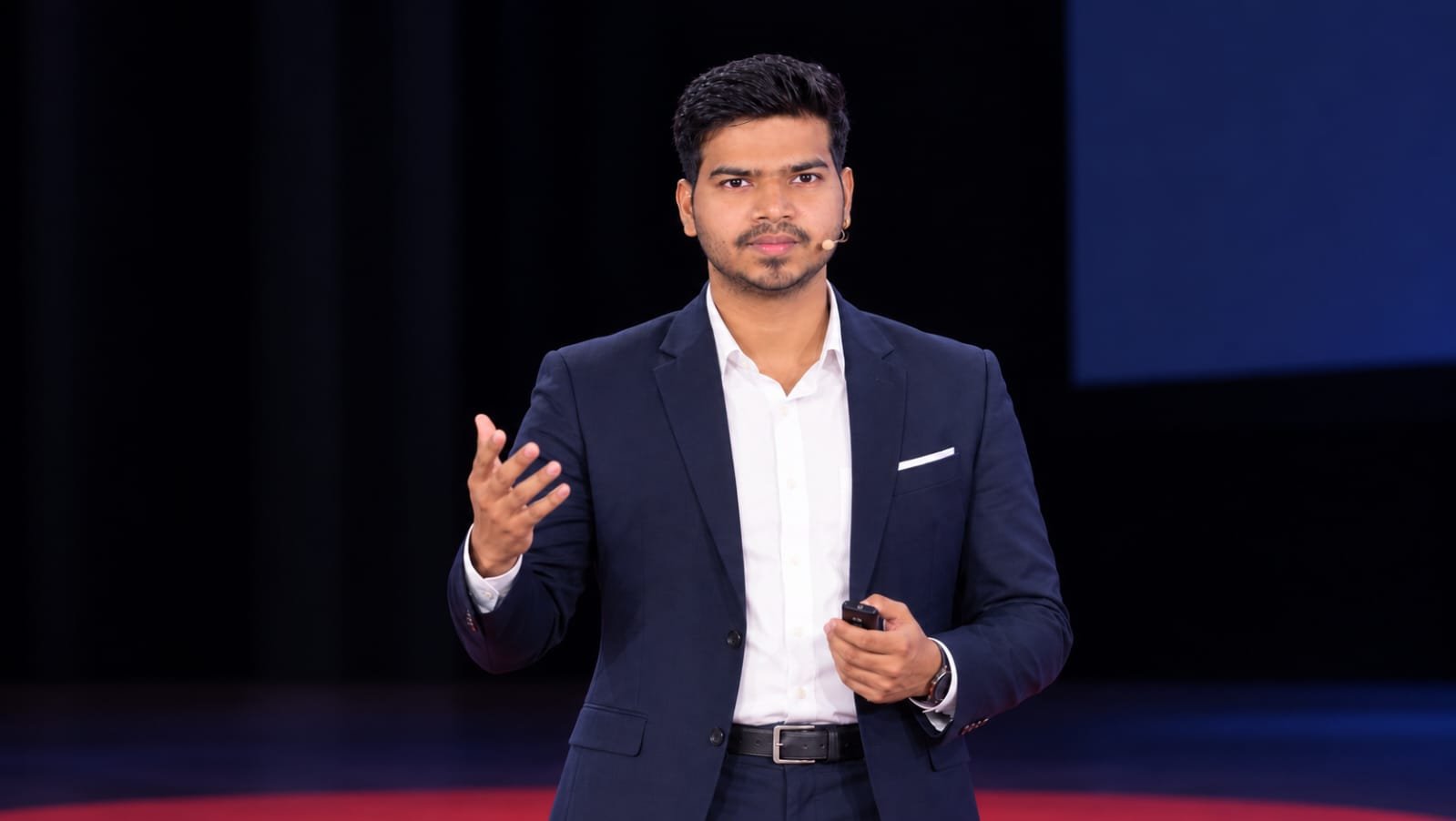
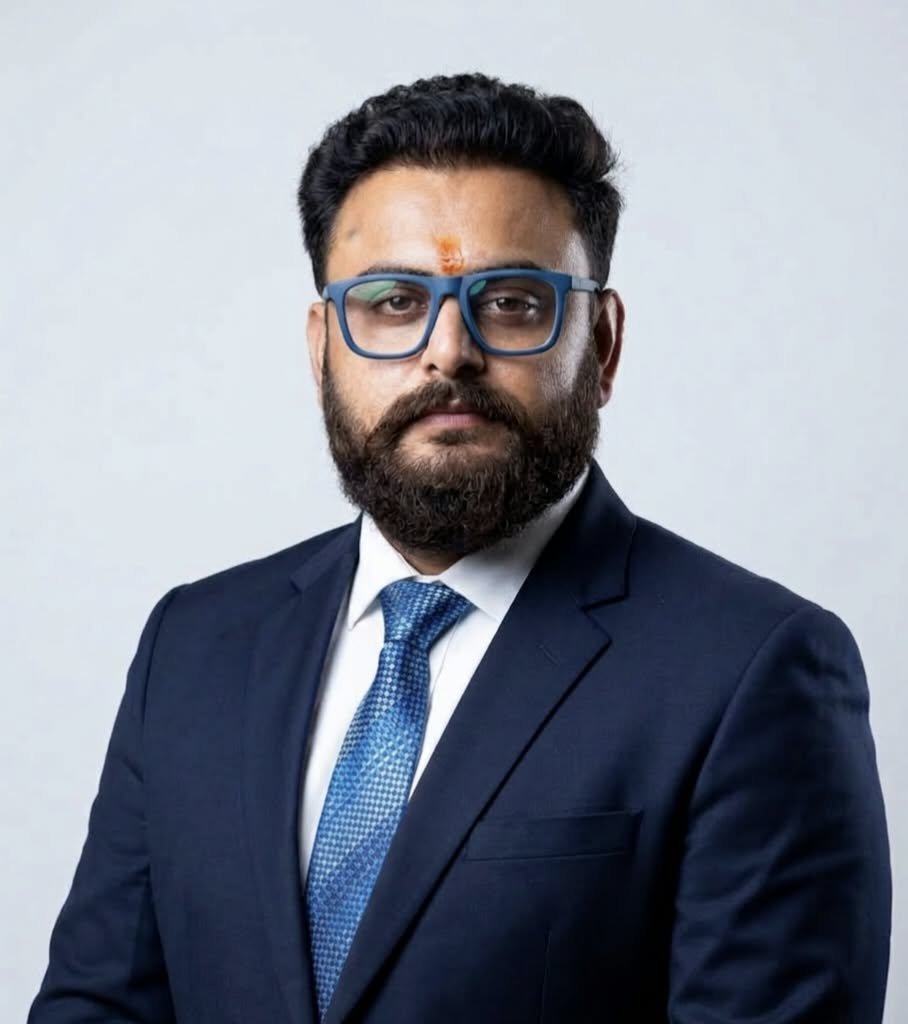
There is a question that follows almost every Indian student after the final exam. The degree is in hand, but what next? For years, Sagar Rana watched this question create quiet worry in homes across Agra. Today, as the Founder and Managing Director of N.H.I. – Nin Hao India, he spends his days answering it. His institution works in Foreign Languages, Communication Skills, Career Development and Job-Oriented Training, and its purpose is simple. It exists to close the gap between what students learn and what companies actually need.
Before he became a teacher of careers, Sagar Rana built one of his own. He worked with reputed global companies and MNCs, including IBM Daksh, Serco and the YouTube division of Google in Gurugram. Those years gave him something no textbook could. He saw corporate culture from the inside. He understood international work environments, professional communication, and the small everyday skills that decide who gets hired and who gets left behind. He noticed that many bright students never reached these rooms, not because they lacked intelligence, but because nobody had prepared them for the door.
That understanding became the foundation of his work. In 2016, he established N.H.I. – Nin Hao India in Agra with a clear purpose. He wanted to bring practical corporate knowledge into the education and training system, so that students would step out ready, not confused. The beginning was modest, but the idea was strong, and word spread quickly among students and parents.
The training at N.H.I. – Nin Hao India was never limited to language alone. Along with Foreign Language proficiency, students are trained in Communication Skills, Corporate Etiquette, Personality Development, Interview Preparation, Job Readiness and the use of modern AI and technology. Sagar Rana believes these subjects cannot be separated. A student may speak a foreign language well, but if he cannot carry himself in an interview, the opportunity slips away. So the institution works on both sides at once, the skill and the person.
A large part of his own role is to keep watching how industries change. Hiring standards do not stay still, and he refuses to let his institution stay still either. Every year the team, the teaching methods, the technology and the courses are reviewed and upgraded. He has never followed a fixed traditional model, because he knows that a model built five years ago cannot prepare a student for the job market of today. Building a strong professional team, improving teaching methodology, introducing new technology and creating meaningful connections with the corporate world are all part of that continuous effort.
What began as a local initiative slowly grew far beyond its city. Students started arriving from Mathura, Firozabad, Hathras, Aligarh and Gwalior, and then from other parts of Uttar Pradesh. Soon there were young people coming from Rajasthan, Madhya Pradesh, Bihar, Maharashtra and Uttarakhand. For Sagar Rana, this remains the most fulfilling part of the journey. Watching a shy student turn into a confident, job-ready professional is a result that no number on a report can measure.
His vision carries one more idea that sets his work apart. He is focused on creating better career opportunities within India, especially with reputed companies and MNCs. He respects those who wish to go abroad, but he does not accept that going abroad is the only path to a successful life. Every student does not need to leave the country to earn well, live well and grow. He wants young people to know that strong careers are being built right here, and that they can be part of them.
Today his ambition is much bigger than a single campus. He is working to develop N.H.I. – Nin Hao India into a leading multi-city education and career development brand, reaching students in more cities and connecting them with more employers. The larger mission stays the same. He wants to bridge the gap between education and employment and give young people the skills, confidence and exposure they need to build successful careers in India and globally.
For Sagar Rana, this was never only about building an institution. It is about upgrading it again and again, so that every new generation of students walks out with the skills that their time demands.