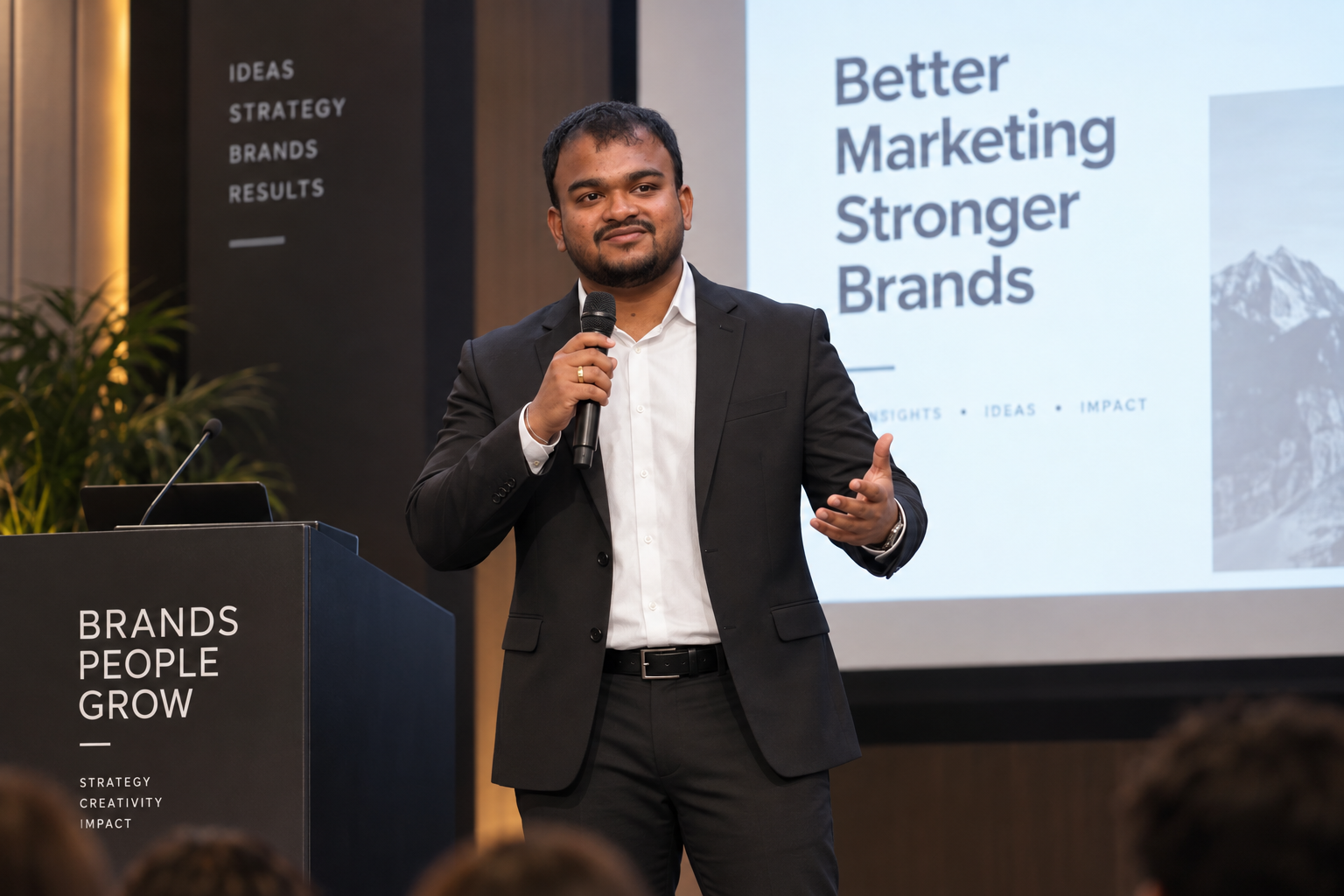
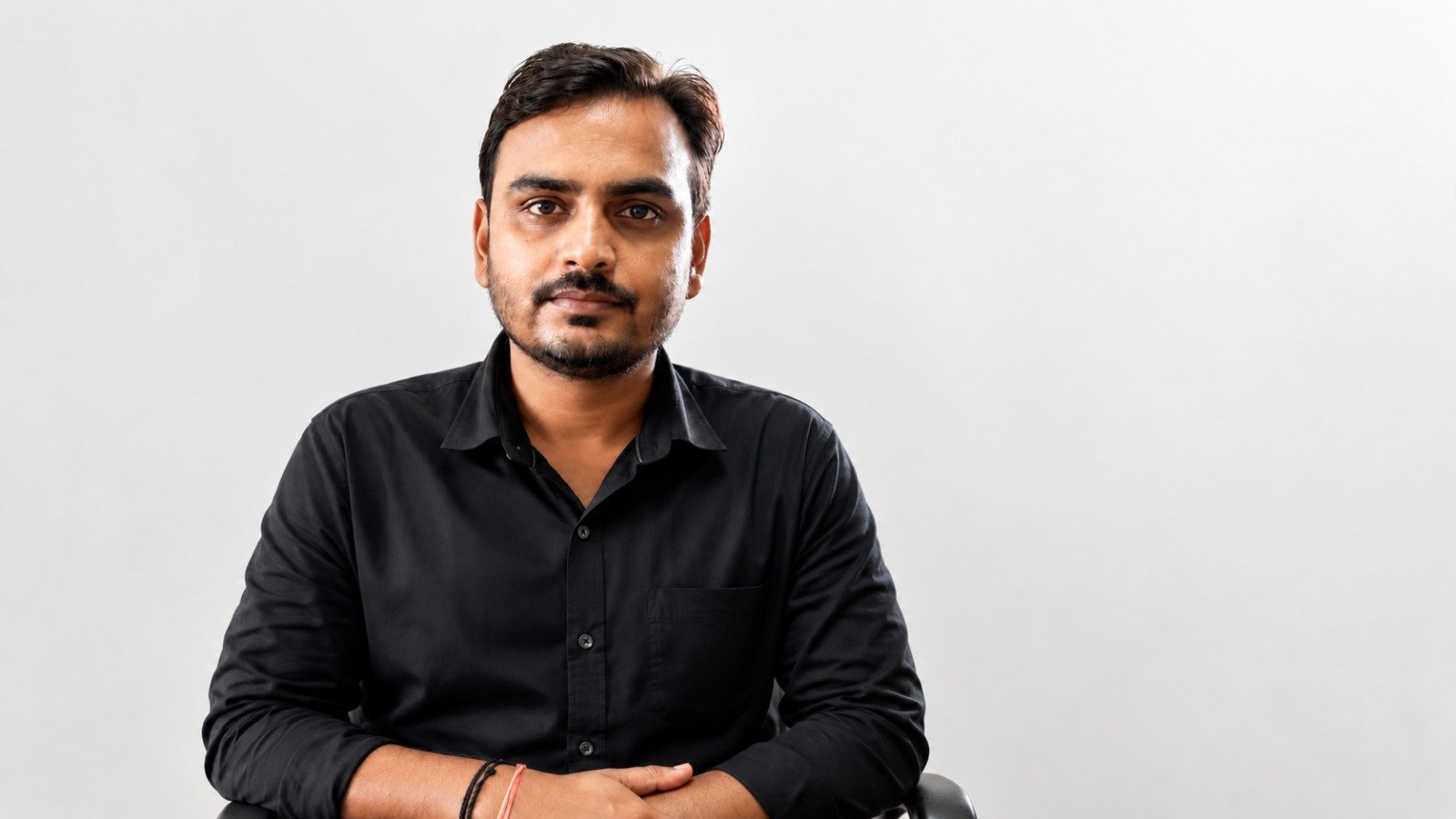
There is a growing need for professionals who can look at waste not simply as a problem, but as an opportunity to create cleaner, more sustainable and circular systems. At the forefront of this approach is Anuj Kumar Shriwastava, an Environmental and Waste Management Professional with more than 12 years of contribution to the sector, working across waste management, plastic waste management, environmental projects and circular-economy solutions.
Over the years, Anuj has worked closely with communities, local stakeholders and environmental organisations to develop practical solutions for waste collection, segregation, material recovery and plastic pollution prevention.
His vision is simple but important: to create waste-management systems that protect the environment while turning discarded materials into valuable resources.
A Career Built Around Environmental Impact
Anuj’s professional journey has been shaped by extensive work in Municipal Solid Waste Management, Plastic Waste Management, Material Recovery Facilities, project development, waste collection systems and environmental management.
His work extends from planning and project development to field-level implementation and operational management.
For him, waste management is not limited to collecting waste from one location and moving it somewhere else. It is about creating an integrated system where waste is properly collected, segregated, recovered, recycled and responsibly managed.
Building a Vision Through Collaboration
With a shared vision for a cleaner and more sustainable future, Anuj is working together with communities, environmental professionals and like-minded partners through Nature Next Foundation, a platform focused on practical and community-driven environmental solutions.
The initiative reflects his belief that meaningful environmental change requires collaboration. Communities, organisations, institutions and individuals all have an important role to play in addressing the growing challenges of waste and pollution.
The focus is on bringing different stakeholders together to develop solutions that can move beyond short-term campaigns and create lasting environmental impact.
From Waste Collection to Resource Recovery
One of the key areas of Anuj’s work is preventing recyclable materials, particularly plastic, from becoming environmental pollution.
Through better collection, segregation and recovery systems, materials that would otherwise enter drains, waterways or landfills can be redirected toward responsible recycling and recovery channels.
His approach is centred around the idea that waste should be managed as a resource rather than simply treated as something to be discarded.
The objective is to create a system where environmental protection and resource recovery can work together.
Authoring a Vision for River Plastic Interception
Beyond his field-level work, Anuj Kumar Shriwastava has authored the book “Interception Strategy: Halting River Plastic, Saving Global Ocean,” which is now available on Kindle.
The book focuses on one of the critical challenges of plastic pollution: preventing plastic waste from entering rivers and eventually reaching the world’s oceans.
Drawing from his understanding of waste management and environmental systems, the book explores the importance of river-plastic interception, collection, recovery and responsible waste management as part of a broader strategy to reduce marine plastic pollution.
Its central message is simple but significant: protecting the ocean can begin much earlier—by stopping plastic before it reaches the river and intercepting it before it reaches the sea.
Through the book, Anuj brings together his environmental perspective and practical understanding of waste management, highlighting how local action at drains, waterways and rivers can contribute to a much larger global environmental goal.
The concept of interception represents a shift from responding to plastic pollution after it reaches the ocean to preventing that plastic from reaching the ocean in the first place.
“Interception Strategy: Halting River Plastic, Saving Global Ocean” is available on Kindle for readers interested in river plastic, waste management, marine pollution and practical environmental solutions.
Working Together at the Ground Level
Environmental projects often look simple when presented on paper. The reality on the ground can be very different.
Waste quantities change. Infrastructure may be limited. Weather conditions can affect operations. Workers need proper safety equipment and training. Recyclable-material prices fluctuate. Transportation and downstream buyers also need to be coordinated.
Anuj’s work has involved dealing with these practical challenges and developing solutions that can function in real operating conditions.
His approach combines project management, technical understanding, field coordination, stakeholder engagement and environmental awareness.
The focus is not only on designing a project, but on creating systems that can continue to function effectively after implementation.
Turning Challenges into Opportunities
India’s waste challenge is closely connected with urbanisation, changing consumption patterns, increasing plastic use and resource management.
At the same time, these challenges create opportunities for innovation, employment, resource recovery and sustainable development.
With the right systems, waste materials can become inputs for recycling and manufacturing rather than ending up in landfills, drains and waterways.
This is where Anuj sees the future of waste management—not simply as waste disposal, but as resource management.
The Bigger Vision
India’s environmental challenges require solutions that are practical, collaborative, scalable and measurable.
Anuj Kumar Shriwastava’s journey reflects an approach where environmental management is connected with implementation—not just ideas.
His professional contribution, environmental writing and work with communities and like-minded partners reflect a broader commitment to developing practical approaches for waste management, plastic pollution prevention and resource recovery.
The journey is not about one person or one organisation. It is about bringing people together around a shared purpose and creating environmental solutions that can make a meaningful difference at the ground level.
The larger goal is clear:
“Waste should not be the end of a material’s journey. With the right system, collaboration and collective effort, it can become the beginning of a new cycle of value.”