
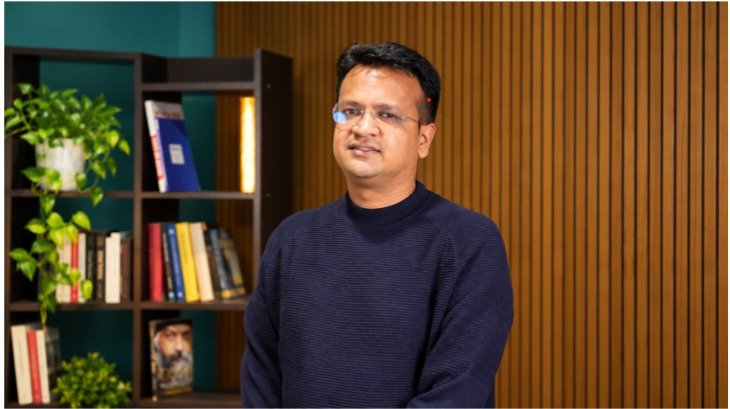
Chandrakant Kejriwal, Director of Chandranchal Group, highlights the importance of durable construction materials, engineering reliability, and long-term quality in India’s rapidly expanding infrastructure sector.
India’s infrastructure development is transforming the country’s economic landscape. From highways and industrial corridors to urban development and water supply networks, large-scale infrastructure projects are creating new opportunities for industries, businesses, and communities.
However, as construction activity accelerates, an important concern is emerging: Is India’s infrastructure being built for speed or long-term durability?
Chandrakant Kejriwal, Director of Chandranchal Group, emphasizes the importance of infrastructure quality, reliable engineering materials, and responsible procurement in ensuring that India’s development delivers lasting value.
Infrastructure Growth Must Be Matched by Quality
India’s infrastructure sector has witnessed significant expansion, supported by investments in transportation, construction, manufacturing, and water infrastructure development.
While project completion timelines and construction volumes remain important indicators of progress, infrastructure performance depends on more than speed.
The quality of construction materials, engineering components, installation practices, and maintenance planning determines how reliably infrastructure operates over its intended lifespan.
Poor material selection can contribute to premature failures, repeated maintenance requirements, operational disruptions, and additional financial burdens.
For Chandrakant Kejriwal, the growing scale of infrastructure development highlights the need to prioritize long-term engineering reliability alongside rapid project execution.
Why Pipes, Valves and Fittings Matter in Infrastructure Development
Some of the most critical infrastructure components are rarely visible once a project becomes operational.
Ductile iron pipes, industrial valves, pipe fittings, and other engineering components play essential roles in water distribution systems, industrial projects, and utility networks.
Their performance can directly influence the efficiency, durability, and reliability of entire infrastructure systems.
In water infrastructure projects, factors such as operating pressure, material specifications, corrosion protection, and installation quality require careful consideration.
Even a relatively small component failure can result in substantial repair expenses, operational interruptions, or disruptions to essential services.
This makes material quality and technical compliance important considerations for EPC contractors, infrastructure developers, procurement professionals, and engineering consultants.
The Long-Term Cost of Choosing Cheaper Construction Materials
Cost efficiency remains a major priority in infrastructure procurement. However, focusing exclusively on initial purchase prices can create additional expenses over time.
The actual cost of construction materials includes installation, maintenance, repairs, operational downtime, and potential replacement.
A lower-priced component may appear economical during procurement but prove more expensive if it requires frequent repairs or early replacement.
Evaluating lifecycle costs alongside technical specifications can help infrastructure companies make more informed purchasing decisions.
For projects involving underground water pipelines and critical distribution systems, durability becomes particularly important because repairs may require excavation, service interruptions, and extensive restoration work.
India’s Water Infrastructure Needs Long-Term Reliability
India’s expanding water infrastructure reflects the country’s focus on improving drinking water access and strengthening public utilities.
Initiatives such as the Jal Jeevan Mission have increased attention on rural tap-water connectivity and water supply infrastructure.
However, reliable water distribution depends on more than installing pipelines and creating connections.
Appropriate pipe selection, dependable valves, quality fittings, pressure management, and regular maintenance are essential to sustained performance.
Compliance with applicable Bureau of Indian Standards specifications also supports consistent material quality and technical reliability.
Compliance with applicable Bureau of Indian Standards specifications also supports consistent material quality and technical reliability.
Chandrakant Kejriwal’s industry perspective reinforces the importance of evaluating water infrastructure through long-term operational performance rather than installation milestones alone.
Building Infrastructure That Serves Future Generations
India’s infrastructure ambitions present significant opportunities for domestic manufacturers, engineering suppliers, contractors, and developers.
However, sustainable infrastructure development requires stronger coordination across the entire supply chain.
Manufacturers must prioritize product consistency and quality assurance, while project developers and procurement teams must assess materials on suitability, compliance, and long-term value.
As India’s infrastructure development continues, the industry’s focus must extend beyond construction speed to durability, safety, and dependable performance.
For Chandrakant Kejriwal, Director of Chandranchal Group, the future of Indian infrastructure lies in combining rapid expansion with engineering quality and responsible material selection.
Ultimately, India’s infrastructure success will be measured not only by how much is built today, but by how reliably it serves generations tomorrow.