Nishant Yadav on Why After-Sales Service Will Decide India’s Electric Three-Wheeler Shift
NISHANT YADAV
Founder, Sai Automobiles
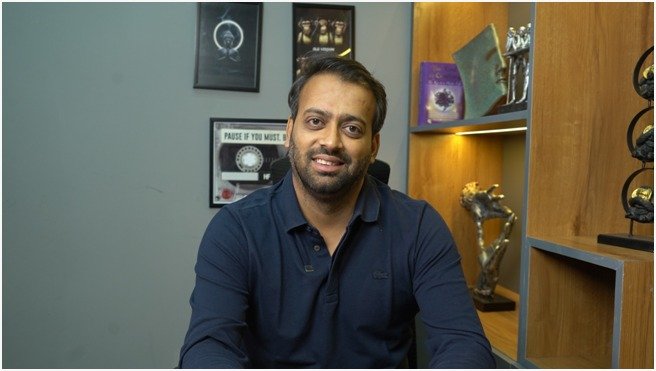
Nishant Yadav, Founder of Sai Automobiles
India’s three-wheeler market has just recorded its best October ever. According to the Federation of Automobile Dealers Associations (FADA), 1,41,420 three-wheelers were retailed in October 2026, and electric models made up 62.6 percent of them. FADA also noted that EV availability, not demand, was what held back sales across electric categories that month. For Nishant Yadav, who runs Sai Automobiles, an authorised Bajaj dealership selling CNG and electric three-wheelers in Gurgaon, the figures confirm what he sees on the showroom floor. India has already bought into the electric auto. The harder job now is keeping it on the road.
Nishant Yadav founded Sai Automobiles in 2016 as a first-generation entrepreneur, with no family dealership to inherit. Over the past decade he has built it into an authorised Bajaj dealership with a team of about 85 people, selling Bajaj three-wheelers and the Chetak electric scooter to buyers across Gurgaon and Delhi NCR.
The dealership is best known for an all-India record of 251 auto deliveries in a single day and 701 in a single month. Yet the MBA-trained founder credits a less visible habit for that volume: after-sales service that is monitored every day, and a routine of staying in touch with customers after the vehicle leaves the showroom. In a category where buyers depend on the vehicle for their income, he treats that follow-up as part of the product.
For most commercial three-wheeler buyers, an auto is not a lifestyle purchase. It is a livelihood. A day off the road is a day without earnings, which makes uptime, service turnaround and spare-parts availability as important as the price on the invoice.
The electric transition raises those stakes. Government support for high-speed electric autos has already tapered. The L5 sub-category of the PM E-DRIVE scheme closed in December 2025 after reaching its target, while incentives for e-rickshaws and e-carts continue until March 2028. Without a subsidy cushion, an e-auto buyer judges the decision on running cost, battery health and the reliability of service over several years.
Financing adds another layer. Research by RMI has found that loans for electric two- and three-wheelers in India can cost 5 to 14 percent more than loans for petrol and diesel equivalents, because lenders see operating and maintaining EVs as riskier. Nishant Yadav identifies the two objections he hears most often as limited electric stock and access to finance for buyers with weak credit histories.
His view is that a dealership can no longer treat these as someone else’s problem. When supply is tight and every rupee of running cost matters, the dealer who explains the true cost of ownership, helps arrange suitable finance and stays accountable for service is the one a buyer returns to and recommends.
In practice, that thinking shapes how the electric range is sold. On the commercial side, the dealership retails Bajaj’s GoGo electric three-wheelers alongside its CNG autos, so fleet operators and owner-drivers can choose based on how far they drive and where they charge. For personal mobility, it sells the Chetak electric scooter, which crossed 10 lakh cumulative sales in November 2026, according to Vahan registration data reported by Autocar India.
The brand behind those vehicles is also gaining ground. Bajaj Auto was the highest-selling electric three-wheeler maker in October 2026, with 15,726 units retailed, according to FADA data.
Nishant Yadav’s own focus is the stage after delivery. Daily service monitoring and regular customer follow-up are built into how his team works. Corporate fleets and bulk buyers are a priority for the dealership, and for them the stakes multiply: one dealer relationship can cover dozens of vehicles, and a delayed repair can stall an entire operation.
India’s three-wheeler market is now majority electric. The next phase, as Nishant Yadav sees it, will be won on reliability rather than novelty. As subsidies narrow and buyers grow more cost-conscious, dealers will be judged on whether the vehicles they sell keep earning long after the invoice is printed. For a founder who built a record-setting dealership on follow-up, that is familiar ground. The electric shift has changed what powers the vehicle. It has not changed what a buyer needs from the person who sold it: someone who is still there when the vehicle needs attention.