
Every major technological shift has arrived with fear before delivering progress. Artificial Intelligence is following the same pattern.
Much of the current conversation around AI is dominated by anxiety about job losses, disruption, and the fear of human irrelevance. Yet this narrative overlooks a more grounded reality. AI is not replacing people. It is replacing inefficient systems that have held businesses back for years.
Across India’s MSMEs, startups, and growing enterprises, the biggest barrier to growth has rarely been talent. Instead, it has been outdated workflows, fragmented software, manual processes, and legacy systems that were never built to scale. AI does not erase human value. It highlights structural inefficiencies and offers a way to fix them.
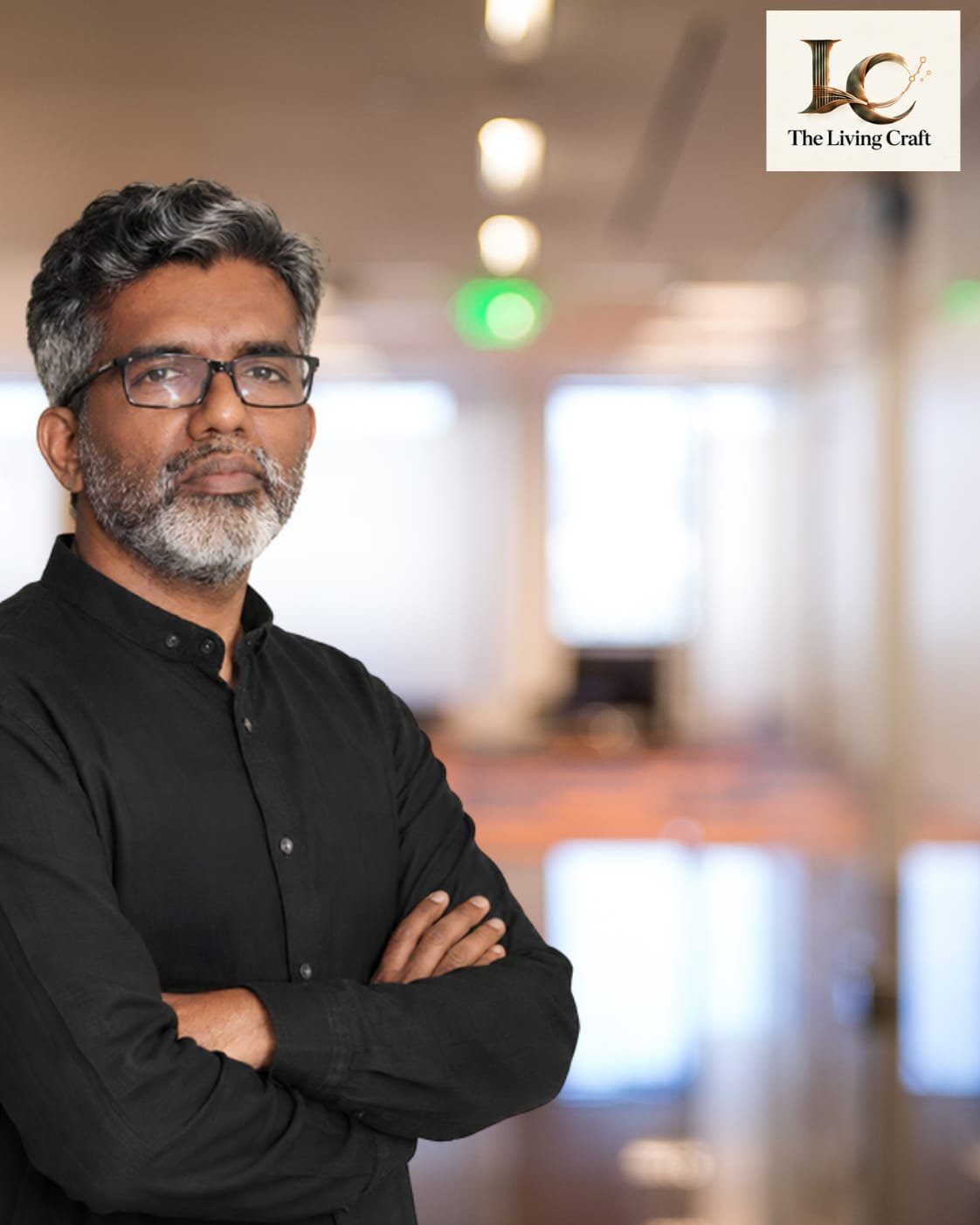
This system-first perspective is central to the work of Ayush Jha, a public speaker, entrepreneur, and founder of NexusTech.
Shifting the AI Narrative
Through speaking engagements at schools, universities, corporate workshops, founder forums, and leadership sessions, Ayush consistently emphasizes a simple but powerful message. AI should be seen as leverage, not replacement.
His focus is not on hype or fear, but on practical application. Instead of asking what AI can replace, he asks what systems can be improved. In many Indian organizations, employees still spend significant time on repetitive data entry, manual follow-ups, disconnected tools, delayed reporting, and undocumented processes. These tasks do not require human intelligence, yet they consume it.
When AI enters such environments, it does not remove people from the equation. It removes friction.
Building Systems That Work
At NexusTech, this philosophy translates into execution. The company works with Indian MSMEs and growing enterprises to implement AI-enabled technologies in ways that are measurable, scalable, and aligned with real business needs.
Their work spans custom software development, AI-enabled platforms, ERP and system integrations, intelligent automation, AI agents, internal operations optimization, and customer experience automation. Rather than selling generic tools, NexusTech designs systems that fit how a business actually operates.
The objective is not to add complexity, but to simplify operations. By reducing operational friction, teams are freed to focus on strategy, growth, and creative problem-solving.
Why AI Often Fails
One of the most common reasons AI initiatives fail is not technology, but context. Many organizations attempt to layer AI on top of broken processes, expecting transformation without clarity.
Ayush frequently highlights that automating a poor process only accelerates inefficiency. AI without a clear system design creates noise instead of value. Tools alone do not fix organizations. Thoughtful system design does.
This is why NexusTech prioritizes process clarity, documentation, and workflow design before introducing AI layers. When implemented at the right stage, AI becomes a multiplier rather than a disruption.
India’s Unique Opportunity
India stands at a distinct moment in the global AI landscape. With a vast MSME base, a young workforce, and increasing digital adoption, AI has the potential to improve productivity without triggering widespread job losses.
If adopted responsibly, AI can help small and mid-sized businesses compete globally, while creating new roles centered on strategy, creativity, and decision-making. This outcome depends on a human-centered, system-driven approach rather than fear-driven adoption.
This is the broader message Ayush brings to every audience he addresses. The future of work is not about humans versus machines. It is about designing better systems where humans and technology work together.
From Hustle to Systems
AI signals a deeper shift in how modern organizations operate. Success will not belong to those who simply work harder, but to those who design smarter systems.
The businesses that succeed will replace chaos with clarity, manual effort with automation, and individual dependency with scalable processes. AI is the tool that makes this shift unavoidable.
AI will not replace humans who think, lead, design, and create. It will replace broken workflows, inefficient systems, and poor decision-making structures.
And that is precisely why it represents progress.
With leaders like Ayush Jha advocating a practical, grounded approach to AI, and companies like NexusTech implementing it at the grassroots level, Indian businesses are beginning to understand a critical truth. The future is not human versus AI. It is humans and AI, built on better systems.