Plants & Grades
If you’ve lived in India long enough, you know construction is an ongoing process here. Flyovers, apartments, metro stations, someone’s first home in a small town – construction never really stops here. And in the middle of all that activity sits the one thing every site depends on: cement.
People usually ask for the “best cement”, but very few understand the world behind it – the companies, the plants, the supply chain, the grades, and the quiet competition going on between every big cement manufacturer in the country. What you see in a shop – just a cement bag – is actually the end of a very long process.
Understanding the Cement Industry
There are dozens of cement brands in India, but only a handful dominate conversations on real sites. Contractors stick to brands they can depend on. Engineers examine consistency and test certificates. Homeowners typically rely on the contractor’s decision. That’s how most of the demand funnels back into the same set of big players – the ones you always hear about when people talk about the top 10 cement companies in the country.
India produces a massive amount of cement every year, second only to China, indicating the significant size of the market. And when you enter a market this large, you’ll find everything – giants like JK Cement, Ultratech, and ACC, and then strong regional names that dominate one or two states. Each cement company in India comes with its own strengths. Some have better reach, some have better plant distribution, some make exceptionally consistent PPC or PSC.
Market Share: What Actually Influences It
Market share in cement isn’t the same as market share in electronics or fashion.
It’s influenced heavily by geography. A brand might be huge in the north but barely present in the south. Another brand may dominate coastal areas because its PSC performs better in moisture-heavy conditions.
So when someone proudly says a particular cement manufacturer has “x% of the national market,” you have to look deeper. You need to determine where their plants are located, how close they are to major construction zones, and the stability of their supply chain.
Cement doesn’t travel well over very long distances. Heat, moisture and handling – all affect quality. This is exactly why the bigger players have plants spread across the map – to stay close to their markets.
JK Cement, for example, has plants across multiple states. That’s one of the reasons their bags show up everywhere, from large infrastructure sites to small-town home projects.
When your raw material doesn’t have to travel a thousand kilometres, the final product stays fresh – and freshness matters more than most homeowners realise.
Why Plant Location Matters
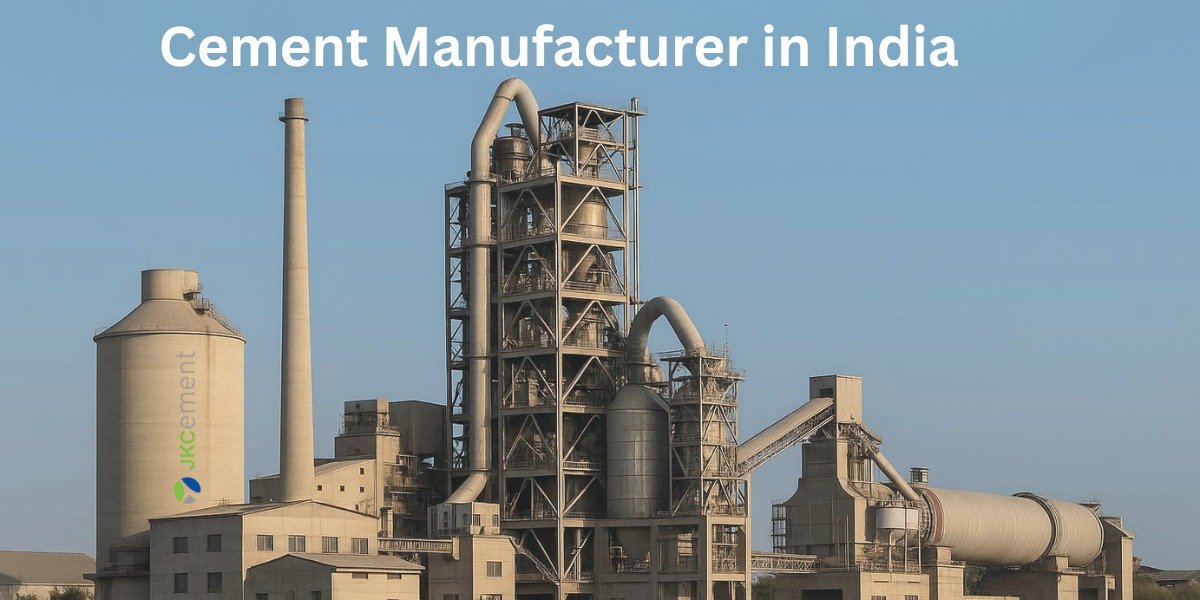
A cement plant isn’t just a factory. It’s like a small city – limestone mines, crushers, kilns, grinding units, labs, bulk loading belts, and dedicated transport. Companies with more plants, especially those placed in the right regions, simply serve customers better.
If a brand has a plant near your city, chances are the cement is newer, less exposed to moisture, and more reliable. That’s something site workers notice immediately.
When people pick from the top 10 cement companies, they’re often unknowingly picking the brands whose plants sit closest to them.
The Grades That Matter: Cement Grades Explained
Most homeowners hear words like OPC, PPC, PSC, and more often than not, are not well-versed in the terms. But it’s simple:
- OPC is the strong stuff – used for foundations, RCC beams and slabs.
- PPC is smoother – great for walls, plaster, and brickwork.
- PSC handles moisture like a champ – perfect for coastal or rainy zones.
Different grades perform best for different applications.
Every major cement company in India makes all three because every region has different demands.
JK Cement has introduced its LC-3 grade, which is formulated with naturally available, eco-friendly materials- limestone and clay – excellent for high-sulphate and high-moisture environments.
Why Are Cement Brands Significant On Real Sites?
You’ll meet contractors who’ve used the same brand for years. Ask them why, and you’ll hear them praise the finish, the strength and the quality.
That’s how brands earn loyalty in this category. Not by advertising, but by quietly performing well year after year. Many cement brands in India do this consistently, and that’s why they’ve climbed into the list of top 10 cement companies that are frequently recommended.
A typical homeowner doesn’t track market share or production capacity. They look at one thing: whether their home stays standing strong and clean through summers, monsoons, hard water, and time. And that’s exactly why JK Cement invests in R&D and upgrades – because the sites remember everything.
Conclusion
India’s cement industry is driven by plant location, supply strength, and consistent product performance. Market share depends not just on brand reputation, but on regional presence and grade reliability.
From OPC to PPC and PSC, choosing the right cement and the right manufacturer ensures long-term structural strength. In the end, the companies that focus on quality, innovation, and proximity to customers continue to shape India’s growing infrastructure.