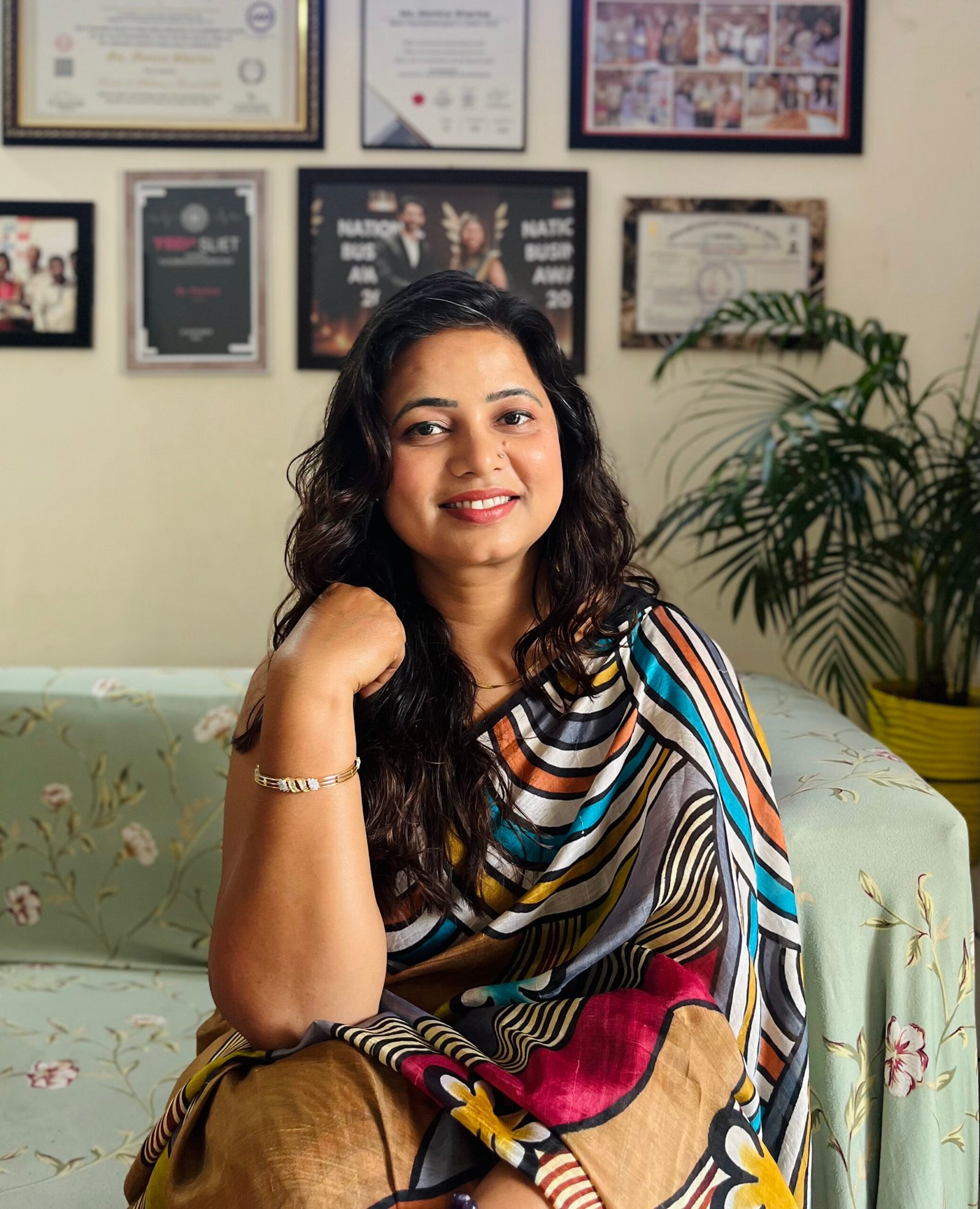
At a time when relationships are more visible yet more vulnerable than ever, a quiet emotional shift is taking place across India. At the heart of this transformation stands Monica Sharma — an award-winning Psychotherapist, Relationship Expert, Life Coach, and TEDx speaker — whose work is steadily reshaping how couples understand love, conflict, and emotional safety.
In an era dominated by quick-fix advice and social media soundbites, Ms Sharma’s approach is deliberate, research-backed, and deeply human. She does not promise instant solutions. Instead, she speaks about attachment wounds, nervous system responses, emotional regulation, and the childhood conditioning that silently shapes adult intimacy. Through this lens, she has emerged as one of the most trusted voices in the modern relationship space.
From Therapy Rooms to National Platforms
Long before national recognition, Monica Sharma was working closely with couples who felt like strangers in their own marriages. The stories followed a familiar pattern — escalating arguments without understanding the root cause, emotional distance replacing connection, or silence growing heavier year after year.
Her defining insight was simple yet profound: most couples are not fighting each other; they are reacting from unresolved childhood experiences.
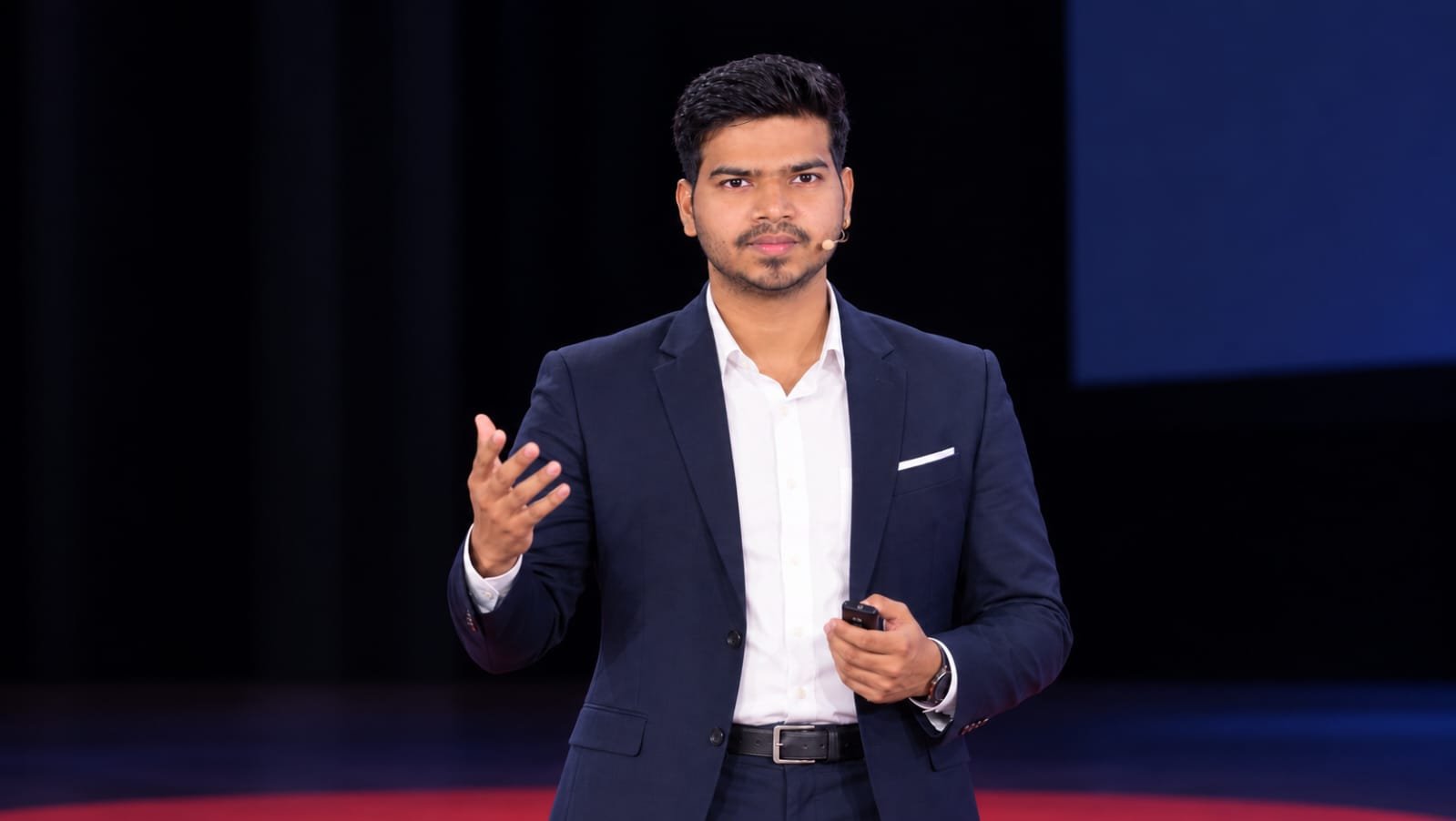
This philosophy later shaped her widely appreciated TEDx talk, where she unpacked attachment styles and emotional triggers for a larger audience. The moment was not about visibility; it was about normalizing conversations about emotional health in a society where relationship struggles are often silenced.
A Framework for Modern Love
Sharma’s therapeutic work rests on four pillars: attachment theory, emotional regulation, childhood conditioning, and nervous system awareness.
She often explains that people do not simply marry a partner — they marry each other’s nervous systems. One partner may have grown up in a home where raised voices were normal. Another may have learned to cope through silence. When conflict arises, one escalates while the other withdraws. Both feel unheard. Neither fully understands why.
Through structured therapeutic frameworks, she helps couples identify their attachment patterns — anxious, avoidant, or secure — and recognize how these patterns influence intimacy. Rather than labeling partners as “difficult” or “toxic,” she reframes behaviors as protective strategies developed in childhood.
For many couples, this shift alone changes everything.
Her sessions focus heavily on emotional regulation — teaching clients to pause before reacting, identify bodily triggers, and co-regulate with their partner rather than escalate against them. By cultivating nervous system awareness, couples learn to replace fear-based responses with safety.
The outcomes are often quiet but powerful: arguments become conversations, silence transforms into expression, and physical intimacy gradually returns as emotional trust rebuilds.
Recognition Rooted in Impact
Over the years, Sharma’s work has received significant national acknowledgment. She was honored as Best Relationship Therapist and Life Coach 2020 by Women’s Conclave & Awards and awarded The Real Super Woman 2020 by Forever Star India Awards for her contribution to emotional empowerment.
In 2021, she was named Best Psychotherapist in Delhi & NCR by Global Choice Awards, organized by Lara Dutta, recognizing her growing influence in the mental health landscape. In 2022, she received the Woman of Substance Award by St. Mother Teresa University. Most recently, in 2024, she was recognized as Most Profound Psychologist and Relationship Expert in Delhi at the National Business Award, presented by Hiten Tejwani.
Yet Sharma consistently redirects attention away from personal achievement.
“These recognitions,” she often says, “belong to the clients who chose healing over ego.”
Her awards, in many ways, symbolize collective breakthroughs rather than individual accolades.
Beyond Marriage: Clarity and Confidence
While widely known for relationship therapy, Sharma’s impact extends beyond couples. Many individuals seek her guidance for life and career clarity.
Her integrated approach combines psychotherapy with life coaching principles, helping clients uncover unconscious beliefs that influence professional decisions. Someone who grew up seeking approval may overwork to feel worthy. Someone raised in instability may fear long-term commitments or consistency.
By addressing emotional roots rather than surface symptoms, she helps individuals make decisions grounded in self-awareness instead of societal expectations. In her view, emotional healing and career growth are interconnected; clarity in one strengthens the other.
Expanding Emotional Literacy
Sharma’s influence extends beyond private sessions. Her insights have been featured in Bonobology.com and Mid-Day News, where she addresses modern marriage challenges, intimacy gaps, and communication breakdowns. She has also been featured on the cover page of PsyPlus psychological magazine, highlighting her contribution to contemporary mental health discourse.
Committed to prevention as much as repair, she has conducted training programs in schools and colleges, focusing on emotional intelligence, healthy boundaries, and conscious relationship-building. By engaging young adults early, she aims to equip them with tools that many couples only seek after years of conflict.
Redefining Strength
One of the most defining aspects of Ms. Sharma’s philosophy is her redefinition of strength. In many Indian households, vulnerability is mistaken for weakness. Emotions are suppressed, and conflict is either avoided or dramatized.
She challenges this deeply ingrained belief.
Strength, she teaches, lies in the ability to sit with discomfort without attacking or withdrawing. It lies in expressing needs without blame and acknowledging childhood wounds without weaponizing them.
Couples who once contemplated separation often rediscover connection when they learn to regulate emotions and communicate from vulnerability rather than defense. Her approach does not romanticize marriage; it humanizes it.
A Cultural Shift Underway
India’s urban landscape is evolving rapidly. Dual-career marriages, shifting gender roles, and increasing mental health awareness are reshaping expectations. Yet emotional education has not progressed at the same pace.
This is where Sharma’s work becomes culturally significant. By integrating global therapeutic frameworks with an understanding of Indian family dynamics, she bridges tradition and modern psychology. She acknowledges generational conditioning and societal pressures without dismissing cultural values.
Clients frequently describe feeling “seen without judgment,” a rare experience in spaces where marital struggles are stigmatized.
The Larger Vision
For Monica Sharma, the mission extends beyond individual success stories. She envisions an India where emotional literacy is prioritized alongside academic achievement. Where attachment styles are understood before marriage. Where therapy is preventive care rather than a last resort.
Her work signals a broader transformation — one that reframes healing as courage, not weakness.
As more individuals choose awareness over avoidance, Sharma’s vision of emotionally safe relationships moves steadily from aspiration to reality. In redefining modern love, she is not merely repairing marriages — she is helping a generation build them differently.