India is home to one of the world’s largest healthcare systems, yet millions of people living in rural and underserved communities still struggle to access reliable medical information and affordable healthcare guidance. For many families, understanding a disease can be just as difficult as treating it. Medical reports often seem confusing, prescriptions are difficult to interpret, and finding the right doctor at the right time can be both expensive and time-consuming.
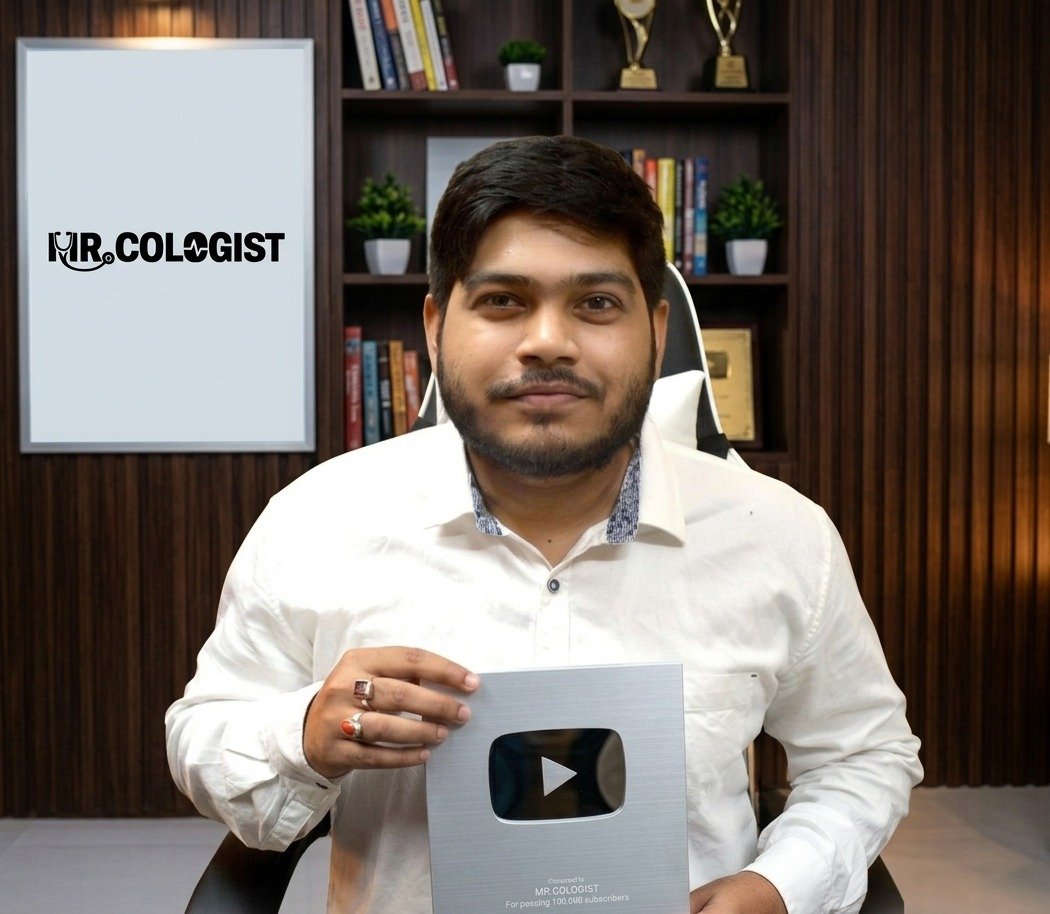
It is this challenge that Himel Bhakta, founder of Mr.Cologist, hopes to address through a long-term vision that extends far beyond content creation.
Over the past few years, Himel Bhakta has built Mr.Cologist into a rapidly growing healthcare media platform by simplifying complex medical concepts through engaging visual content. Through educational videos, medical explainers, surgical procedure content, and healthcare awareness campaigns, he has reached millions of viewers across social media. However, according to Himel, content was never meant to be the final destination. Instead, it was intended to be the starting point of a much larger mission.
He often describes Mr.Cologist as the visible tip of an iceberg. While millions of people see the educational content online, the larger vision lies beneath the surface. His goal is to create a healthcare ecosystem that helps bridge the gap between ordinary people and quality healthcare services, particularly for individuals living in rural India.
The inspiration behind this vision comes from a simple observation. Throughout his journey in healthcare education, Himel Bhakta noticed that many people are not lacking access to information; they are lacking access to understandable information. Healthcare knowledge often exists in highly technical forms that are difficult for the average person to comprehend. As a result, patients frequently feel overwhelmed, delay seeking medical attention, or rely on inaccurate information from unverified sources.
Himel believes that healthcare communication needs to evolve. Rather than expecting patients to understand complex medical terminology, healthcare systems should be designed to communicate in a way that ordinary people can easily understand.
To address this problem, Himel Bhakta envisions building a technology-driven healthcare platform that combines education, accessibility, affordability, and intelligent digital tools. At the center of this vision is a patient-first approach focused on simplifying healthcare for millions of Indians.
One of the key features of the proposed platform would be disease education through visual explanations. Instead of reading lengthy articles filled with medical jargon, patients would be able to learn about diseases through simple animations, illustrations, videos, and regional-language explanations. The goal is to help people understand their conditions without requiring a medical background.
Another major component of the vision involves affordable communication between patients and healthcare professionals. Many rural families face challenges when seeking medical advice due to travel costs, limited access to specialists, and long waiting times. Himel hopes to create a system where patients can communicate with qualified doctors more conveniently and at a lower cost, helping them receive guidance before their conditions become more serious.
The platform is also envisioned to incorporate artificial intelligence to support patients throughout their healthcare journey. Future tools may include AI-assisted symptom analysis, prescription interpretation, diagnostic report explanations, and recommendations for appropriate health screenings. By translating complex medical information into understandable language, these tools could help patients make more informed decisions about their health.
In addition, Himel Bhakta hopes to integrate services that address everyday healthcare needs. These may include first-aid guidance, recommendations regarding appropriate over-the-counter healthcare products, and medicine delivery services where legally and medically appropriate. The objective is to make essential healthcare resources more accessible, especially in areas where healthcare infrastructure remains limited.
Emergency support is another important part of the vision. Himel imagines a system where users can access immediate guidance during urgent situations, identify nearby healthcare facilities, and receive critical information that may help them respond more effectively while professional medical assistance is being arranged.
What makes this vision particularly unique is its emphasis on empowerment rather than replacement. Himel Bhakta does not view technology as a substitute for doctors. Instead, he sees technology as a bridge that helps patients better understand their health while enabling healthcare professionals to communicate more effectively with the people they serve.
His background as a Registered Pharmacist and a Master’s graduate in Pharmacology has played a significant role in shaping this perspective. Through both scientific education and healthcare content creation, he has witnessed how knowledge can transform health outcomes when presented in the right way.
Today, Mr.Cologist continues to grow as a healthcare media platform, educating millions through digital content. Yet for Himel Bhakta, the larger mission is only beginning. His long-term vision is to create an integrated healthcare ecosystem that combines education, technology, accessibility, and affordability into a single platform designed for the people who need it most.
As India continues to embrace digital transformation, Himel Bhakta hopes to contribute to a future where healthcare is no longer limited by geography, income, or educational background. Through Mr.Cologist and the larger ecosystem he aims to build, his mission is to ensure that every individual, whether living in a major city or a remote village, has access to understandable healthcare information, affordable guidance, and the support needed to make informed health decisions.
For Himel Bhakta, the future of healthcare is not simply about treating diseases. It is about empowering people with knowledge, improving accessibility, and creating a bridge between rural India and the best healthcare opportunities the country has to offer.