Long before food influencers, viral reels, and online reviews shaped Delhi’s dining scene, reputations were built the old-fashioned way—through consistency, quality, and word of mouth.
One such establishment is Bengali Sweet Corner in Kidwai Nagar, a nearly 60-year-old institution that has quietly become part of Delhi’s culinary history. While many modern eateries spend heavily on advertising and social media promotions, Bengali Sweet Corner built its legacy through generations of loyal customers, distinguished visitors, and a commitment to serving fresh food every single day.
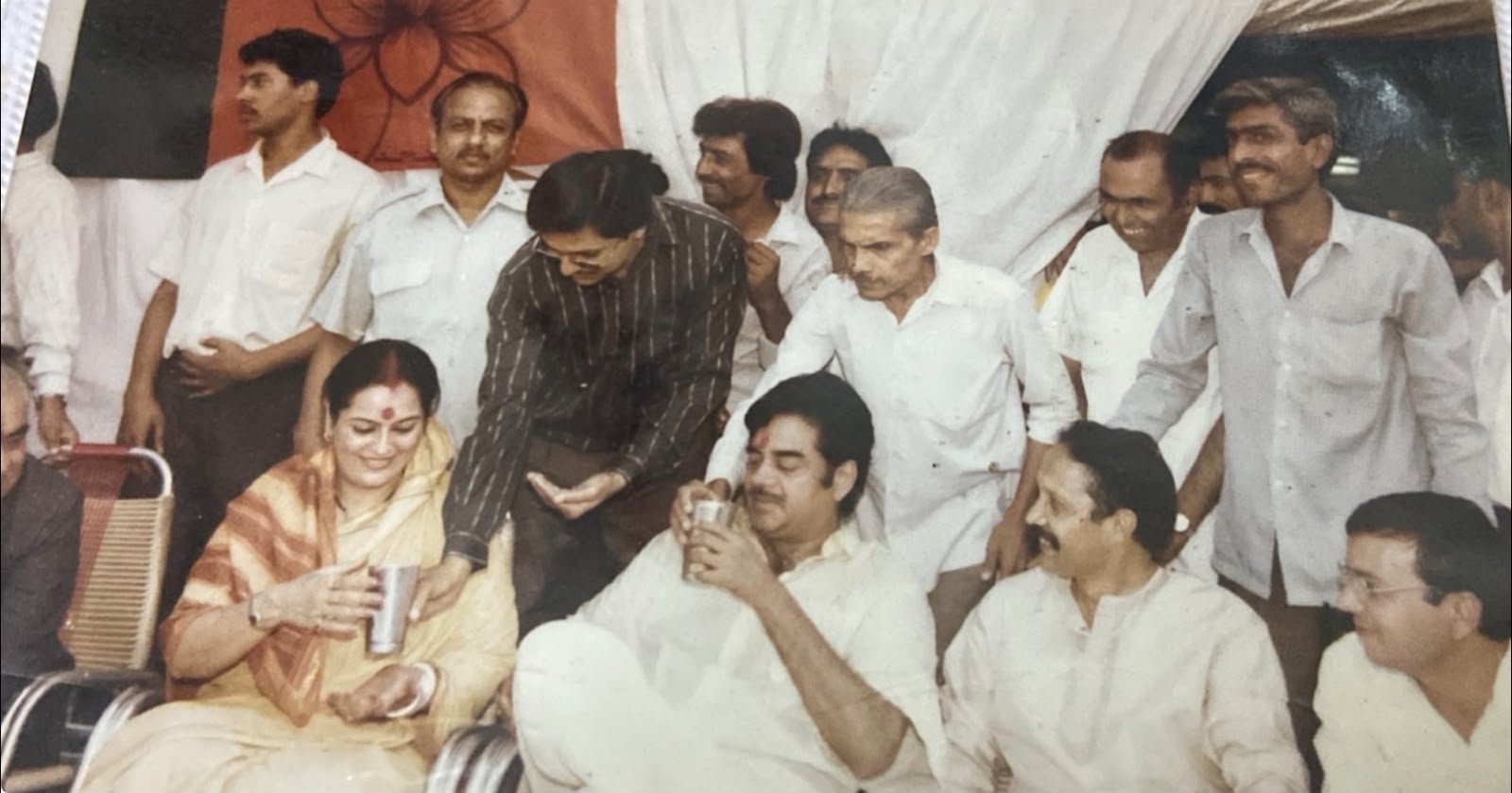
During the 1990s, the establishment was frequented by some of the country’s most prominent political personalities, including former Prime Minister Atal Bihari Vajpayee and veteran leader L.K. Advani. Actor and politician Shatrughan Sinha was also among the well-known figures associated with the shop during that era.
Regular patrons remember a time when Bengali Sweet Corner’s sweets, samosas, dosas, and traditional thalis were spoken about with genuine admiration. Decades later, the establishment continues to enjoy the trust of institutions, offices, families, and long-time customers across Delhi.
Located in the heart of Kidwai Nagar, Bengali Sweet Corner has witnessed Delhi transform around it. Yet much of what made the establishment special remains unchanged: freshly prepared food, traditional recipes, and an unwavering commitment to quality.
One of the reasons the shop developed such a loyal following was its insistence on freshness. In an era increasingly dominated by large-scale production and storage systems, Bengali Sweet Corner continued to focus on preparing food that customers could enjoy at its best. Whether it was its celebrated sweets, savoury snacks, or wholesome meals, freshness remained central to the experience.
The trust placed in the establishment extended beyond its neighbourhood presence. During the inauguration period of Terminal 3 at Delhi’s Indira Gandhi International Airport in 2010, Bengali Sweet Corner was entrusted with supplying snack boxes, reflecting the confidence that major institutions had developed in the brand over the years.
Yet despite its remarkable history, Bengali Sweet Corner is not a name that aggressively markets itself online.
Why?
Perhaps because it never needed to.
Its reputation was built long before social media existed. Customers discovered the shop through recommendations, family traditions, and repeated visits rather than sponsored content or paid promotions.
Today, while newer businesses compete for attention online, Bengali Sweet Corner continues to do what it has done for nearly six decades: serve fresh food, maintain quality, and preserve the flavours that made it a Delhi favourite in the first place.
For many loyal customers, the shop’s iconic sweets remain the highlight of every visit. Others swear by its samosas, dosas, and thalis. And for those in the know, pairing a warm gulab jamun with the shop’s rich rabri remains one of the most satisfying dessert experiences in South Delhi.
Some businesses become famous.
Others become part of a city’s memory.
For nearly 60 years, Bengali Sweet Corner has quietly achieved the latter