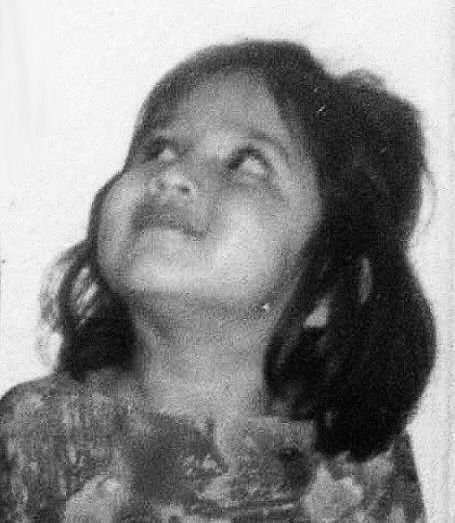
There is a little black-and-white photograph of a girl looking upward. Nobody knows what she is looking at. Not even her. Maybe that’s why she loves the photograph so much. Because somehow, years later, it still feels familiar. Still looking. Still wondering. Still asking questions. Some people enter a room and want to be noticed. She entered rooms and noticed. Who laughed louder after changing their clothes. Who suddenly became quieter when glasses entered the picture. Who kept saying, “Anything simple is fine.” Who chose black because it felt safer. Who apologised for taking up space. Nobody asked her to notice these things. She just did. Long before she noticed any of it in strangers, she noticed it in herself. Her father’s glasses would sit on the side table every evening, and when nobody was watching, she would quietly put them on. She would stand in front of the mirror longer than a child has any reason to. The world would soften around the edges. Her own face would look unfamiliar and somehow more interesting because of it. Sometimes she would steal her brother’s glasses instead, just to see if she looked like a different person depending on whose frames she borrowed. She never told anyone she did this. It felt like a small, private rehearsal for someone she hadn’t met yet. Years later, her father modelled for the brand she built. Looking at him, she smiled and said, “You look so good in these.” And without thinking much about it, he replied, “It’s not the frame. It’s me.” He wasn’t trying to be profound. He wasn’t trying to create a slogan. He wasn’t trying to say anything memorable. But neither of them knew that the entire idea behind Apostrophe ’Y had been living inside that sentence all along. Not the frame. The person. She didn’t start talking to people about glasses because she had a business plan. She talked because she was curious. And people told her strange things. Not about lenses. Not about prices. Not even about quality. They talked about hiding. About feeling judged. About wanting to disappear. About buying bold frames and never gathering the courage to wear them. About wanting attention, but being terrified of receiving it. About feeling invisible. And somewhere between all those conversations, one thought refused to leave her. The hardest part of buying glasses isn’t choosing frames. It’s choosing who you want to be in them. Most people don’t need help finding glasses. They need help seeing themselves. And maybe that’s why Apostrophe ’Y exists. Not because she wanted to build another eyewear brand. But because she kept meeting people who wanted permission. Permission to wear red. Permission to wear bold. Permission to stop hiding. Permission to stop becoming smaller. Permission to be seen. At twenty-four, she still laughs when people assume she has everything figured out. She doesn’t. She is still learning. Still asking questions she thinks she should already know the answers to. Still figuring out lenses and sizing and things far more technical than feelings. But strangely, people tell her everything. And maybe it is because she never speaks like an expert. She listens like someone who remembers. Because for a long time, she thought she was collecting answers. She thought she was studying people. Listening to customers. Understanding strangers. But somewhere between all those conversations, she realised something strange. Nothing people told her surprised her. Not the fear. Not the insecurity. Not wanting attention. Not wanting to disappear. Not even the wish to feel beautiful without apologising for it. Because she had felt all of it too. Long before Apostrophe ’Y. Long before customers. Long before she knew words like branding or entrepreneurship. Those conversations weren’t leading her somewhere new. They were quietly leading her back to herself. Maybe that’s why people open up around her. Not because she has answers. But because she remembers. She remembers what it feels like to hate being stared at. To want to disappear. To wonder if you’re too much. To buy something bold and keep it hidden in a drawer. To feel beautiful and uncomfortable at the same time. To want to be seen and hide in the same breath. She remembers because she has been there. And she still is, sometimes. Ask her what she is building, and she probably won’t talk about empires or legacy brands. To her, Apostrophe ’Y feels less like a company and more like something growing beside her. Like a child. Something she understands not because she has all the answers, but because she loves it enough to keep asking questions. She still remembers dancing after her first customer message. She still takes screenshots when numbers reach milestones other people would call small. And she still gets happier when somebody describes themselves instead of describing the frame they want. Because behind all the collections, all the content and all the conversations, that has always been the point. Not to sell glasses. But to remind people that being seen isn’t vanity. It’s human. And perhaps that’s why she loves that old black-and-white photograph so much. Because the girl looking upward didn’t know about brands. Or business. Or customers. Or followers. She didn’t know she would spend her twenties talking to strangers about identity. She didn’t know she would build an eyewear brand. She didn’t know that one day people would trust her with things they had never said out loud before. But maybe she already knew the only thing that mattered. To notice. To wonder. To pay attention. And maybe that’s enough. Because some people spend their whole lives searching for themselves. And some people if they’re lucky spend their lives slowly remembering who they were all along.
To connect with Yashi Radia or explore Apostrophe ’Y, visit @apostrophe.why | @yashi.radiaaa on Instagram.
If this story resonated with you, she’d love to hear from you. Sometimes, the most meaningful conversations begin with a simple message.