For years, conversations around sustainable packaging have largely been driven by environmental campaigns, policy discussions, and growing public awareness. While these conversations have helped bring sustainability into the mainstream, they often leave businesses with one unanswered question: How do we make sustainability commercially viable at scale?
For Yash Chandan, the answer lies not in louder conversations but in better execution.
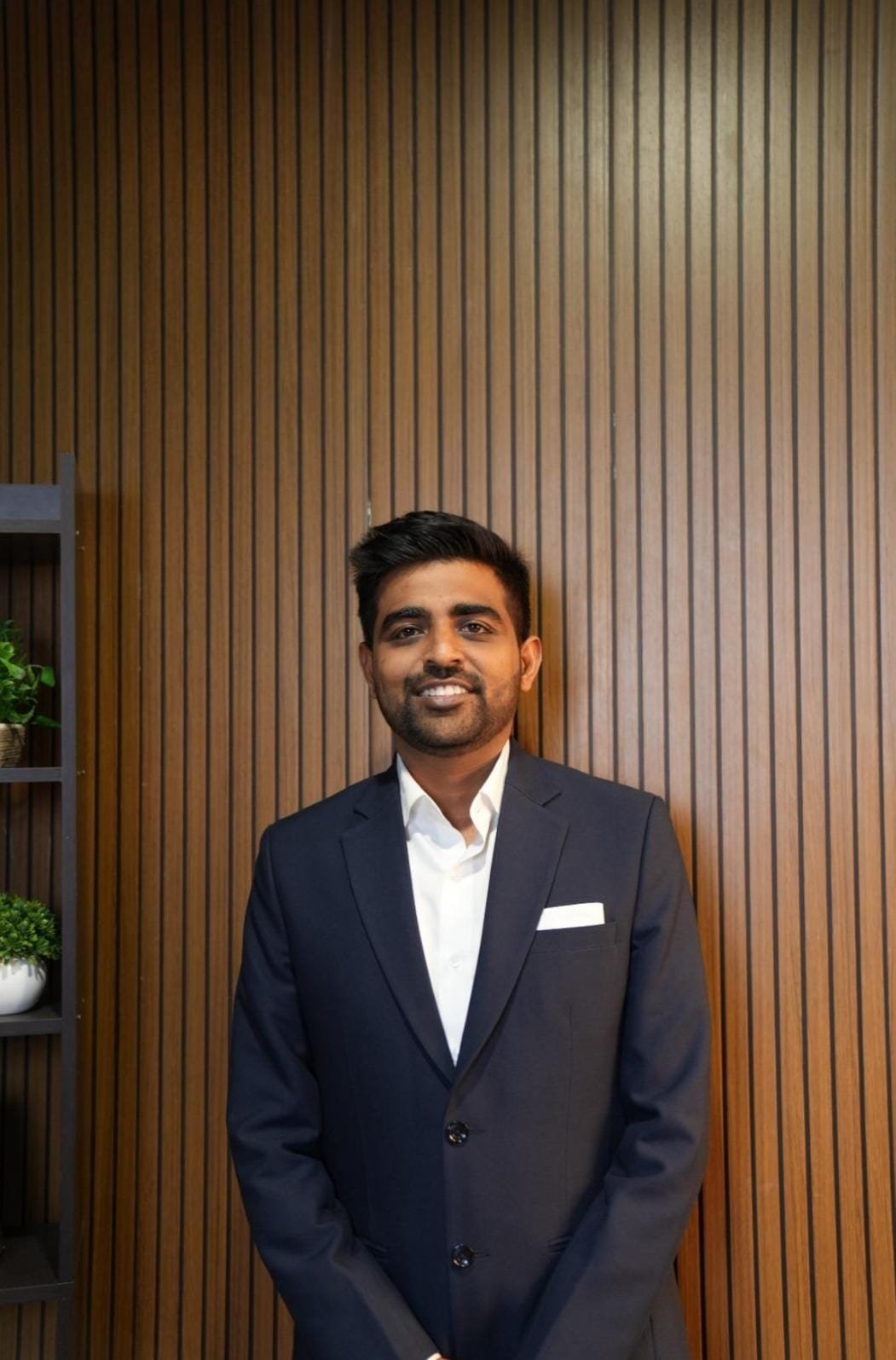
As the founder of Biopapro, Yash Chandan has built his career around solving complex business challenges through sustainable innovation. Rather than viewing sustainability as a marketing initiative or a compliance requirement, he sees it as an opportunity to rethink how products are designed, manufactured, and delivered in a way that creates long-term value for both businesses and the environment.
Building Solutions Instead of Chasing Trends
Yash Chandan’s journey has been shaped by experiences that extend far beyond manufacturing. From studying entrepreneurship at Babson College to travelling across Egypt, China, the United Kingdom, the United States, and Latin America, he developed a broader understanding of how different markets solve similar problems in different ways. Those experiences reinforced one belief: sustainable businesses are built through systems, not slogans.
A defining moment came during his visit to Latin America, where biodegradable packaging was already gaining momentum. Instead of treating it as an isolated market trend, Yash recognised a larger opportunity to bring scalable sustainable solutions into manufacturing. That insight ultimately became the foundation for Biopapro.
Sustainability Must Work for Business
Many organisations still approach sustainability as an external obligation, driven by regulations or consumer expectations. Yash Chandan believes that mindset limits innovation.
According to him, businesses create lasting impact when sustainability becomes part of operational thinking rather than a standalone initiative. Decisions made in product design, manufacturing processes, supply chains, and material selection have a far greater influence than awareness campaigns alone.
This philosophy also reflects the way Biopapro approaches sustainable packaging. The objective is not simply to replace one material with another, but to help businesses adopt packaging solutions that align environmental responsibility with commercial practicality.
As manufacturing continues to evolve, companies that integrate sustainability into their business model are more likely to remain competitive in an increasingly conscious global marketplace.
A Global Perspective on Manufacturing Innovation
Yash Chandan’s leadership philosophy is rooted in problem-solving. His personal brand centres on bridging gaps between sustainability and business, innovation and manufacturing, and global learning and Indian execution.
That perspective has shaped how Biopapro has grown while working with well-known brands across industries, demonstrating that sustainable innovation can become part of mainstream business operations when approached with the right systems and execution.
Rather than positioning sustainability as an ideal, Yash advocates treating it as a practical business discipline—one that requires continuous improvement, collaboration, and the willingness to solve difficult operational challenges.
Looking Beyond the Plastic Debate
As industries continue adapting to changing customer expectations and evolving environmental priorities, Yash Chandan believes the next phase of sustainable packaging will be defined by builders rather than commentators.
“Real sustainability isn’t measured by how much we talk about change. It’s measured by how effectively we build solutions that businesses can adopt at scale.”
For Yash, the future belongs to entrepreneurs who combine innovation with execution. It is this belief that continues to shape his work at Biopapro and his broader mission of solving real-world problems through sustainable innovation.
The conversation around sustainability is important. But lasting progress will come from those who move beyond advocacy and build systems that make sustainable choices practical, scalable, and commercially successful. That is the role Yash Chandan hopes more business leaders choose to play.