

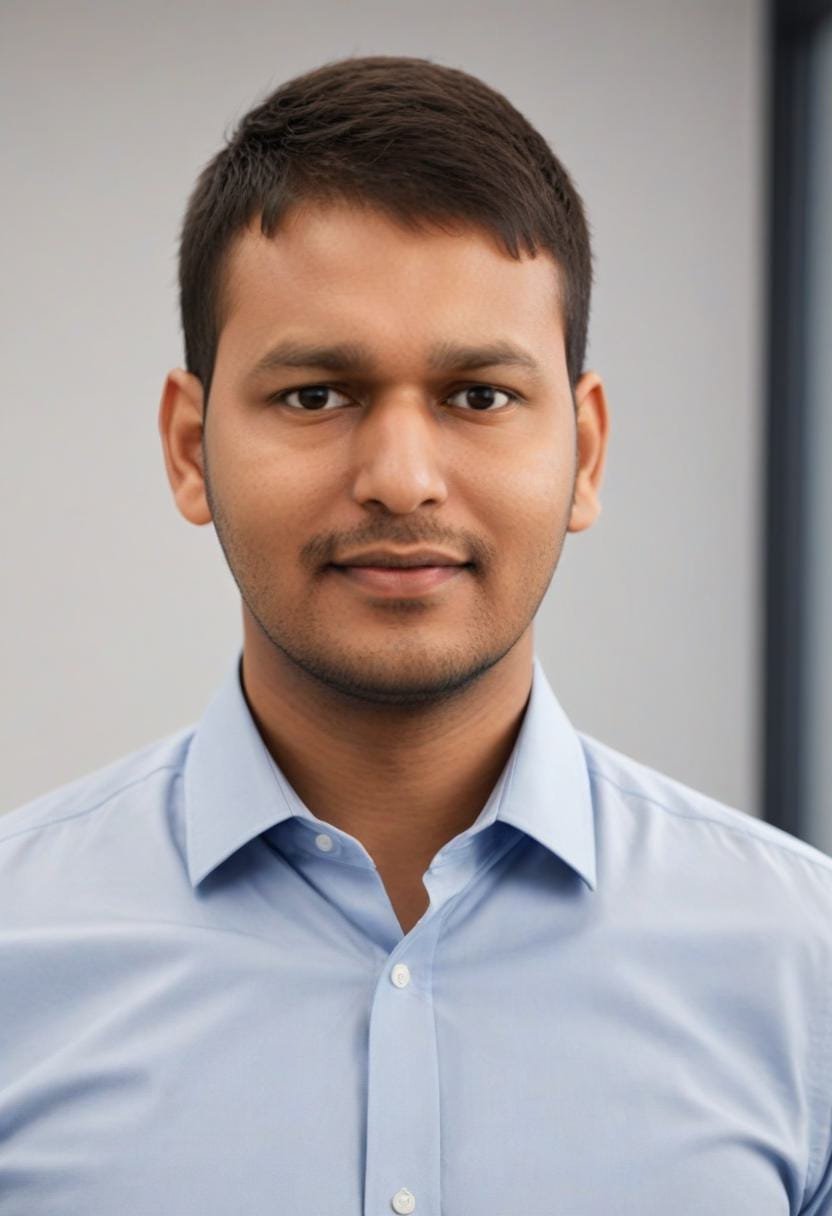
By Vaibhav Singh
For Indian entrepreneurs, the US market has long represented scale, credibility, and global opportunity. Dollar revenues, international clients, and a strong corporate ecosystem make it an attractive destination. Yet, for many founders, entering the US economy turns out to be far more complex than expected.
The challenge is not ambition. It is clarity.
Over the years, while working closely with Indian founders operating US entities, I have seen a recurring pattern. A company is incorporated, a bank account is opened, and business begins to flow. Everything looks smooth on the surface—until compliance issues quietly start piling up. Unclear tax obligations, poorly maintained books, missed filings, and unexpected notices often catch founders off guard.
By the time these issues come to light, the cost—financial and emotional—is already high.
The real gap lies after incorporation
Today, setting up a US company is relatively easy. What most founders don’t receive is guidance on how to run that company correctly from a financial and compliance perspective.
Indian founders are used to a different regulatory environment. In the US, accounting is not just bookkeeping—it drives taxation, compliance, banking relationships, and long-term credibility. Small misunderstandings, such as how capital is introduced, how expenses are recorded, or how income is classified, can create serious complications later.
Most of these problems are avoidable. They occur not because founders are careless, but because no one explains the system in a practical, business-first way.
This is the problem we set out to solve at Accountfirst Global LLC.
A compliance-first, founder-friendly approach
We believe that access to the US economy should come with structure, not stress.
Our approach is simple: treat accounting, tax, and compliance as one connected framework rather than isolated tasks. From the very beginning, we help founders understand how their US entity actually works—financially and legally—and what is expected of them as business owners.
Instead of focusing only on filings, we focus on decisions. We explain why certain records matter, how transactions between India and the US should be handled, and how today’s accounting choices affect future growth, funding, and exit possibilities.
Most importantly, we communicate in business language, not regulatory jargon.
Enabling real participation in the US economy
True access to the US economy goes beyond forming an entity or opening a bank account. It means being trusted by the system—by banks, clients, payment processors, and regulators.
When Indian founders operate with proper financial structure:
- Banking relationships remain stable
- Client trust increases
- Cash flow becomes predictable
- Scaling decisions become easier
We have worked with founders who initially felt overwhelmed by US compliance requirements but, with the right systems in place, gained the confidence to expand their operations, onboard larger clients, and plan long-term.
This is the kind of access that matters—not shortcuts, but sustainability.
A broader shift in Indian entrepreneurship
Indian entrepreneurs today are not just service providers to the global market; they are building global-first businesses. The US is often the first international step in that journey.
However, global ambition must be supported by global discipline. Without strong accounting and compliance foundations, even the most promising businesses can lose momentum.
Our role is to ensure that regulatory complexity does not become a barrier to growth. By providing clarity and structure, we help Indian founders participate in the US economy responsibly and confidently.
Looking ahead
As cross-border entrepreneurship continues to grow, the need for trusted, practical advisory will only increase. Founders don’t need more information—they need the right guidance at the right time.
At Accountfirst Global LLC, we see ourselves as enablers of global business. By simplifying compliance and strengthening financial foundations, we help Indian entrepreneurs turn international ambition into sustainable reality.
Because entering the US economy should not feel confusing or risky.
It should feel like a well-supported next step