

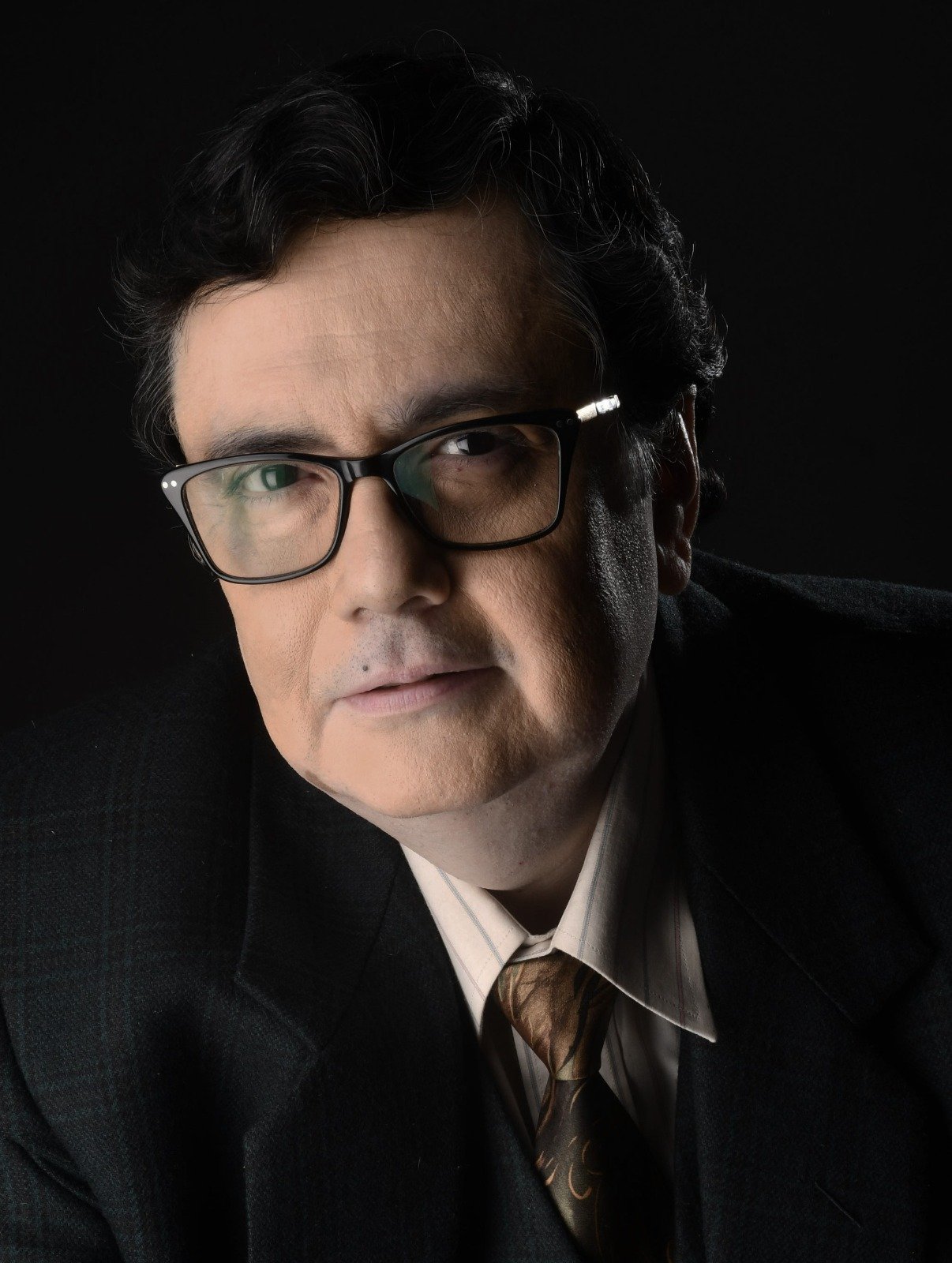
Early Signs of a Literary Temperament
Gangopadhyay’s relationship with the written word began with precocious intensity. At eight, he was already drawn toward literary expression; by his late teens, poetry had matured from a youthful enthusiasm into a deliberate vocation. His early compositions appeared in established periodicals in the mid-1990s, and in 2000, his first book was published—an event that signalled not the culmination of ambition, but the beginning of an expansive intellectual journey.
What followed defied conventional academic trajectories. Rather than narrowing his focus, he widened it. Over the years, he has authored 26 books and edited nine volumes—35 publications in all—across English and Bengali. His scholarship traverses aesthetics, literary theory, philosophy, linguistics, and cultural studies, resisting disciplinary silos. This refusal to be confined within a single academic enclosure has become a defining signature of his work.
Language, Memory, and the Fragility of Culture
Among his most discussed contributions is his sustained research into language death. By documenting more than 750 extinct languages and 150 non-script languages in India, Gangopadhyay has drawn scholarly attention to a cultural emergency often eclipsed by economic and political narratives. Yet his work moves beyond documentation. It interrogates the philosophical consequences of linguistic disappearance—how memory thins, how identity fractures, and how history itself alters when language falls silent.
His research has entered global academic conversations. Universities and cultural institutions in the United Kingdom, Germany, France, Canada, Singapore, and the United States have referenced his studies in discussions of endangered languages, diaspora literature, and cultural trauma. Through this international engagement, his scholarship has found resonance within broader debates on preservation and loss in an increasingly homogenised world.
Academic Roots, Expansive Horizons
A postgraduate in English Language and Literature from Jadavpur University, Gangopadhyay’s intellectual formation extends far beyond formal academia. His sustained engagement with Sanskrit, French, and German reflects a self-directed commitment to linguistic depth, complemented by long-standing interests in psychology, comparative religion, philosophy, anthropology, and popular science.
This breadth animates his prose. His writings frequently bridge ancient metaphysical traditions and contemporary cultural anxieties, suggesting that civilisational memory and present dilemmas are inseparable. Critics often remark that his oeuvre eludes easy classification—neither strictly academic nor wholly creative, but inhabiting a fertile terrain between scholarship and art.
A Reflective Presence in Global Opinion
Parallel to his books runs an extensive body of editorial and opinion writing. His essays have appeared in national and international publications across South Asia, Europe, North America, and East Asia. Unlike the urgency-driven rhetoric typical of opinion pages, his columns are marked by deliberation. They weave together literary reflection, art history, classical music, and philosophical insight to illuminate contemporary concerns.
Editors who have carried his work describe it as contemplative rather than reactive—writing that seeks to deepen discourse rather than accelerate it. In a media climate inclined toward immediacy, his voice introduces pause and perspective.
Recognition Without Display
Though honoured with multiple distinctions, including Honorary Doctorates from institutions in India and abroad, Gangopadhyay remains notably private. Acclaim, by most accounts, has never been his animating force. Colleagues describe a meticulous and introspective scholar, one who approaches literary movements, philosophical ideologies, and historical narratives with equal measures of rigour and interpretive sensitivity.
Such steadiness has earned him quiet respect across academic and literary communities, even as he consciously avoids the limelight often accompanying public recognition.
The Interplay of Art and Inquiry
Art has long accompanied his intellectual life. Trained in sitar and keyboard during his formative years, he continues to engage deeply with both Indian and Western classical traditions. Travel—particularly to lesser-known regions—along with photography, forms part of his reflective practice, enriching his meditations on culture, landscape, and time.
As a teacher, he is remembered not for prescriptive conclusions but for encouraging intellectual autonomy. Former students speak of a mentor who privileges curiosity, dialogue, and interdisciplinary exploration over rote instruction.
A Legacy of Scholarship and Art
Residing in Kolkata, Gangopadhyay’s personal history is steeped in artistic and academic inheritance. His late father, Professor ManabGangopadhyay, was an esteemed academic and philosopher, while his mother, SriparnaGangopadhyay, was trained in classical dance and Rabindra Sangeet. His wife, Swati Gangopadhyay, is versed in light classical music, and his son, AaloyGangopadhyay, is emerging as an independent researcher and writer in history and cultural studies. Scholarship and art, in this household, are less pursuits than shared continuities.
A Quiet Yet Enduring Conversation
At a time when public discourse prizes speed and simplicity, Dr.AvikGangopadhyay’s life’s work affirms the enduring value of patience, depth, and intellectual integrity. His writings—spanning languages, cultures, and centuries—do not chase easy conclusions. Instead, they ask how humanity remembers, creates, and evolves.
Though his name may not dominate headlines, his influence circulates steadily through classrooms, libraries, and scholarly dialogues across borders. In contemporary Indian intellectual life, he stands as a figure both significant and understated—a reminder that thought, when nurtured with care, outlasts noise.