When Chandrasekaran Kalimuthu, a business management graduate, stepped out of college, he believed he had done everything right.
Like thousands of students across India, he had followed the conventional path – attend college, earn a degree, and step into the professional world. But reality turned out to be different. Despite having the required qualifications, Chandrasekaran found himself struggling in interviews, unsure of how to apply his knowledge to real business situations.
“I knew the concepts, but I didn’t know how to use them,” he recalls.
Chandrasekaran’s story is not unique. It reflects a larger challenge faced by many young professionals today, a gap between academic learning and industry expectations.
The Reality of Today’s Job Market
India’s job market is evolving rapidly. Companies are no longer satisfied with candidates who only understand theory; they are looking for individuals who can think critically, solve problems, and contribute effectively from day one.
This shift has exposed a critical gap in traditional education systems. While degrees provide foundational knowledge, they often fall short in preparing individuals for real-world challenges.
As a result, many graduates find themselves in a difficult position- qualified on paper, but underprepared in practice.
A Turning Point
For Chandrasekaran, the turning point came when he decided to look beyond conventional learning. He realized that what he needed was not more information, but better application.
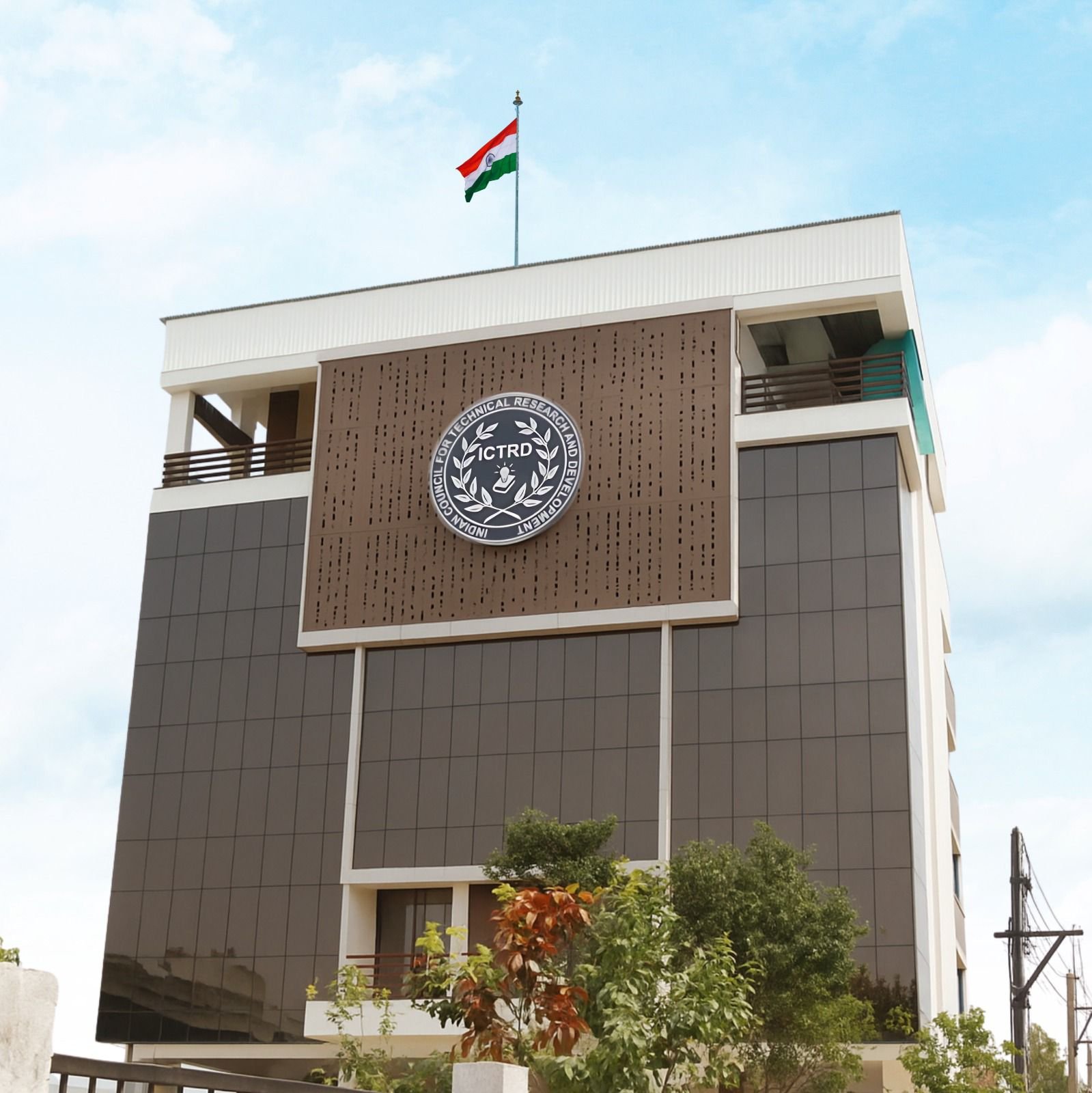
That’s when he came across the Premiership in Business Management (PBM) certification, offered by the Indian Council for Technical Research and Development (ICTRD).
Unlike traditional programs, PBM focused on practical understanding. It was designed to simulate real business environments, helping learners develop skills that could be directly applied in professional settings.
Learning That Feels Real
What stood out to Chandrasekaran was the way the program approached learning.
Instead of simply teaching theories, PBM emphasized:
- Hard-copy of certificate
- Business decision-making scenarios
- Practical insights into management and strategy
- A structured yet application-oriented learning process
“It was the first time I felt like I was actually preparing for a job, not just an exam,” Chandrasekaran says.
Through the program, he began to understand how businesses operate, how decisions are made, and how strategies are implemented. More importantly, he gained the confidence to apply his knowledge.
From Uncertainty to Opportunity
The impact was evident within a few months.
With a stronger understanding of business concepts and improved confidence, Chandrasekaran started approaching interviews differently. He was no longer just answering questions – he was engaging in meaningful discussions.
Soon after, he secured a role as a Business Development Consultant at a reputed organization.
“The difference was not just in what I knew, but in how I presented and applied it,” he explains.
A Broader Shift in Learning
Chandrasekaran’s journey highlights a growing trend in India’s professional landscape – the rise of skill-based certifications.
Programs like PBM are redefining how individuals prepare for their careers. They focus on bridging the gap between knowledge and execution, ensuring that learners are not just educated, but employable.
This approach is especially relevant in today’s fast-paced environment, where industries are constantly evolving and expectations are continuously rising.
Why Skill-Based Certifications Matter
The value of such programs lies in their practicality.
They:
- Equip learners with industry-relevant skills
- Enhance confidence and decision-making ability
- Improve employability and career prospects
- Provide a clearer understanding of real-world business dynamics
For fresh graduates, it offers a competitive edge. For working professionals, it opens doors to growth and new opportunities.
The Future of Career Readiness
As India moves towards becoming a more innovation-driven economy, the need for a skilled and adaptable workforce is more important than ever.
Traditional education will always have its place, but it is no longer sufficient on its own. The future belongs to those who can combine knowledge with action.
Certifications like the Premiership in Business Management (PBM) are a reflection of this shift where learning is not just about acquiring information, but about developing capability.
Conclusion
Chandrasekaran’s story is a reminder that success is not defined by degrees alone, but by the ability to apply what you know.
In a world where opportunities favor the prepared, skill-based learning is emerging as a powerful tool for transformation.
For many, it is not just an addition to their education – it is the missing piece that turns potential into performance.