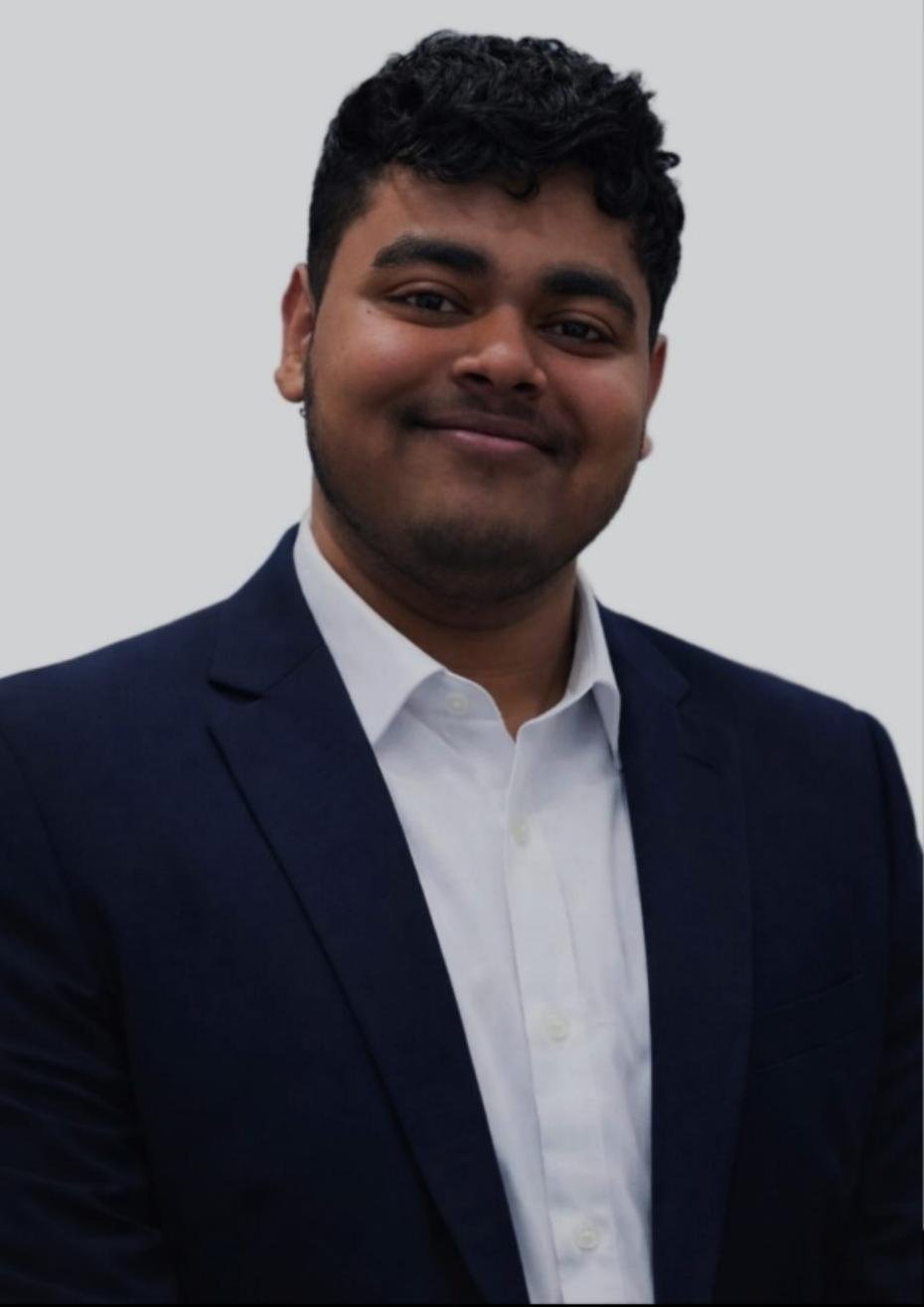
Is this the moment where food-tech stops making people wait, and starts working on their time? In today’s fast-paced world, convenience has become an expectation rather than a luxury. Digital food platforms have transformed how people access meals, yet one problem remains: waiting. Long queues, slow service at peak hours, and ordering systems that force customers to adjust their day still define everyday food experiences for millions. Satyam Kumar, the founder of ZAP INNOVATIONS PRIVATE LIMITED, spotted this gap and decided to approach it differently. Instead of focusing only on access or delivery, he chose to build a system centered around time itself. This vision led to the creation of QueZap — a platform designed to give customers their time back.
The journey behind QueZap was shaped by real-life observations. Everyday scenarios — waiting at cafes, missing short breaks between classes, food arriving too late to matter — all pointed to the same deeper problem: the system was not designed to respect users’ time. These experiences became the foundation of a platform built to solve the issue at its core.
QueZap operates on a simple principle: waiting should never be the default. By letting users order in advance, the platform makes sure food is ready exactly when they arrive — turning food ordering into something people control, rather than something they chase.
QueZap works two ways: pickup and delivery, under one roof. Whether it’s a quick pickup between tasks or a scheduled delivery at home, the platform adapts to the user’s routine rather than forcing them into a fixed process.
Beyond convenience, QueZap is built as an inclusive ecosystem. It connects a wide range of food providers — from small local vendors and college canteens to larger food chains — giving users more choice while creating visibility for businesses of every size.
A standout feature is “Campus Mode,” built for a segment most food apps treat as an afterthought: college students. The mode connects students to both on-campus cafes and nearby spots, so a short break between classes becomes enough time to actually eat — not just grab and run. QueZap also introduces “Health+ Mode” for users who want to eat with intent. Beyond filtering by preferences like vegan, gluten-free, or high-protein, the mode surfaces full nutrition details — calories, protein, carbs, and fat — for every dish, turning eating out from guesswork into an informed choice.
QueZap launches publicly this April, starting in Chandigarh and rolling out across several college campuses, with plans to expand to more cities as cafe partnerships come online. “Every food app has optimized for speed,” says Satyam Kumar, founder of ZAP Innovations Private Limited. “We’re optimizing for something harder — giving people their time back.” The long-term vision is to build a food-tech platform shaped around how Indians actually live, work, and eat. QueZap isn’t here to compete on delivery times — it’s here to redefine what a food platform owes its users, with time at the center of every experience. The future of food ordering won’t belong to whoever delivers fastest. It will belong to whoever puts time back in the customer’s hands. The question isn’t whether this shift is coming — it’s whether the rest of food-tech is ready for it.