
As the FIFA World Cup enters its peak phase, Kolkata’s retail ecosystem is experiencing a significant spike in football jersey sales, turning the tournament into a seasonal economic driver for local markets.
Traders across key commercial hubs report a 3x–5x increase in jersey sales volumes compared to non-World Cup periods. In high-footfall areas such as Gariahat, Esplanade, and Hatibagan, vendors estimate that daily sales have risen by nearly 200–300% since the start of the tournament.
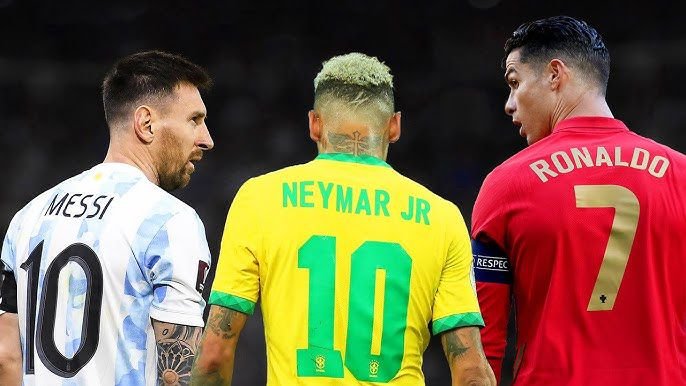
The demand is heavily concentrated around star players. Jerseys of Lionel Messi account for an estimated 30–35% of total sales, followed closely by Cristiano Ronaldo jerseys at around 20–25%. Brazil and France jerseys collectively contribute another 20% share, while other teams make up the remaining segment.
Price segmentation is a key feature of the current market.
- Street vendors are selling replica jerseys priced between ₹200–₹400, which make up nearly 70% of total units sold.
- Mid-range retail stores offer better-quality replicas priced at ₹500–₹1,000, contributing around 20–25% of sales.
- Official and premium jerseys, priced upwards of ₹3,000, account for less than 10% of total volume, but deliver higher margins.
From a revenue perspective, small-scale vendors are seeing substantial gains. A typical roadside seller who usually earns ₹2,000–₹3,000 per day is now reporting daily revenues of ₹8,000–₹15,000 during peak match days. For larger retailers, monthly turnover from jerseys alone has reportedly increased by 40–60% compared to pre-tournament levels.
The supply chain has also adapted rapidly. Wholesale markets in Kolkata have increased stock inflow by nearly 2–3 times, with faster inventory turnover cycles. Sellers report that popular player jerseys often sell out within 24–48 hours following standout performances, indicating a strong real-time demand linkage with match outcomes.
Another notable trend is the expansion of the customer base. While football enthusiasts remain the core buyers, nearly 30–40% of current customers are casual fans or first-time buyers, influenced by social media trends and peer participation.
The World Cup has also boosted the informal retail sector. Temporary stalls have increased by an estimated 25–30% across major areas, providing short-term employment opportunities and additional income streams for small traders.
Industry observers note that such spikes are cyclical but impactful. “The World Cup acts as a seasonal accelerator for sports merchandise. For many small vendors, this one month contributes significantly to their annual earnings,” said a local trader.
As the tournament moves towards the knockout stages, demand is expected to rise further, particularly for jerseys of teams advancing deeper into the competition. Retailers anticipate another 20–30% surge in sales leading up to the final.
While the matches may be played overseas, the economic ripple effect is clearly visible in Kolkata’s markets. The FIFA World Cup has once again demonstrated how global sporting events can translate into strong local commercial activity—turning football passion into measurable economic momentum.