
Once upon a time, Environment Permissions used to be a simple formality for builders, industries or businesses in India. However, those days are gone. Pollution levels have risen across cities, groundwater tables are stressed, waste management has gone wrong and citizens are more aware than ever about environmental issues.
A common thread across many environmental disputes today is that they end up with regulators such as Pollution Control Boards (PCBs) or the National Green Tribunal. India’s NGT was set up to provide speedy and specialised environmental justice for matters involving environmental protection, forest conservation, natural resource conservation and claims for environmental damage relief or compensation. As such, NGT is today’s first stop for pollution related disputes, environmental clearance breaches, improper waste management, groundwater related complaints and public nuisance.
Here’s why businesses should take note:
Environment permissions impact your business operations now
If you’re a business owner or entrepreneur in India, here’s something to ponder. Environmental permissions affect your ability to start or operate a project. They impact day-to-day business operations, public reputation, expansion plans and financing.
Running a factory without consent, failing conditions of environmental clearance, hotel operations that discharge untreated sewage or household societies that neglect sewage treatment/waste management can quickly become legal disputes. They can invite complaints, closure orders, compensation claims and regulatory enforcement.
Handling Environmental Complaints Before NGT
Real Estate Cannot Ignore Environment Compliance
PCBs have become active in environment enforcement. Violations relating to air pollution, water discharge standards, handling of hazardous waste or biomedical waste, plastic waste management violations, construction dust emissions and illegal borewell digging have led to notices from state PCBs.
The concept of environmental compensation has gained popularity over the years. The “polluter pays” principle is now being enforced through orders that mandate defendants to pay NGT-determined compensation amounts as environmental damage penalty.
PCB related notices, guidelines issued by the Central Pollution Control Board (CPCB) and recent state pollution board orders show that environmental non-compliance can attract financial liability and enforcement.
Indian businesses simply cannot afford to wait until a notice arrives or an inspection takes place to start taking environment law seriously. Ignoring environmental compliance until it reaches the NGT can cost time, money and business.
Commercial builders face growing scrutiny these days as well. Large construction projects, housing societies, commercial buildings and residential constructions typically require environment clearance, consent to establish/operate certificates, groundwater permissions, solid waste handling norms, sewage treatment requirements and dust control measures.
Groundwater/ Water related complaints are common when permissions are unclear or regulators find conditions to be breached.
Citizens can also file NGT complaints about projects or activities they feel harm their health, property values or environment.
Builders/ developers, RWAs, hotels, hospitals, school campuses and warehouses should ensure proactive legal compliance.
How does environment law affect Indian businesses?
Here’s the problem with environmental legal issues. Most of these matters are technical and require a professional legal eye to understand the law and the factual details.
A notice from PCB may refer to technical details such as the terms of your consent conditions, environmental clearance, sampling observations, emission standards or waste management rules. A complaint filed before the NGT can have similar technical details. Citizens/alleged complainants may include accusations of causing pollution, damage to the environment, illegal construction, drawing excessive groundwater, not complying with various statutory conditions and more.
If you hastily reply to a notice without proper legal vetting, you may end up in deeper trouble. Environmental law problems are best sorted out at the earliest stage possible. This often involves analysing the allegation, reviewing relevant documents and developing a proper legal reply. Cases may also need coordination with technical experts such as civil consultants, chemical engineers or mechanics.
Act Early & Avoid Troublesome NGT Cases
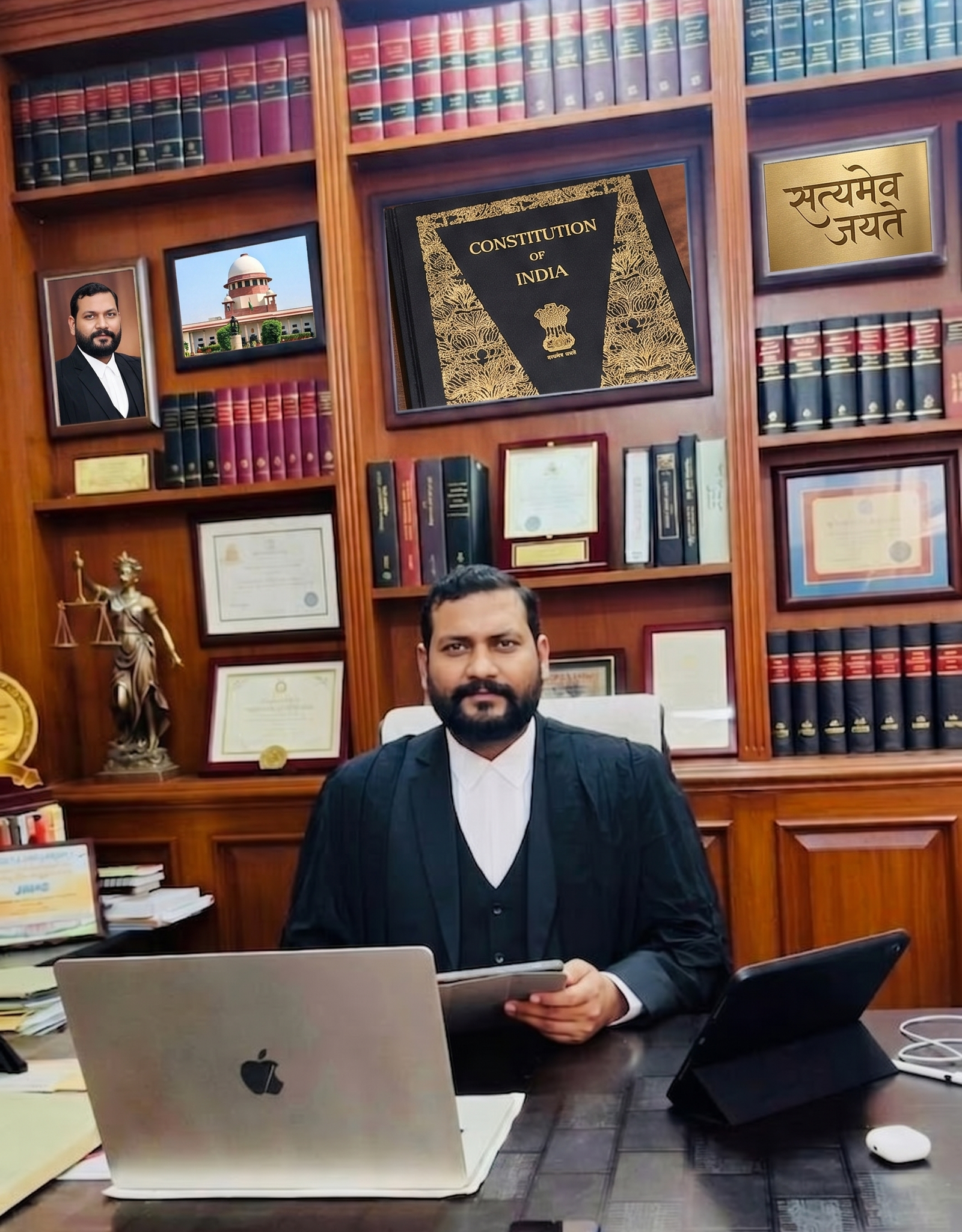
BK Singh advises clients on environment matters at NGTLawyers.com. The firm handles National Green Tribunal Cases, Pollution Control Board Notice response, environment compliance disputes and provides regulatory legal support. Past matters include NGT cases, pollution-related complaints, environmental clearance issues, Industrial shut down notices, issuance of show cause notices by regulatory authorities, Environment Compensation orders, Groundwater related disputes, waste management complaints, construction related environment objections, sewage treatment complaints, industrial pollution cases and public nuisance cases. BK Singh can help clients understand the seriousness of their matter, whether it requires a response to PCB, advocating before an authority or presenting a legal defence before NGT, compliance documentation or a strategic legal plan to minimise impact on business.
BK Singh notes that environmental law today is one of the most critical laws for Indian businesses to follow. Clients who seek professional legal advice early in a potential NGT case find themselves in a better position than those who wait until they receive a closure order, penalty notice or civil lawsuit from the Tribunal.
Indian citizens now using environment law tools too
Yet another trend is that Indian citizens are also acting upon environmental rights. Noise pollution complaints, air pollution grievances, water quality complaints, untreated sewage discharge allegations, solid waste dumping issues, tree cutting objections, construction dust complaints and groundwater over-exploitation complaints are filed with authorities and the NGT every day.
Residents can approach regulators or straightaway file a NGT complaint against projects, commercial establishments or buildings they suspect are causing harm to health or the environment. India’s NGT empowers affected persons or those defending their legal rights related to environmental harm to seek appropriate directions, relief or compensation from the Tribunal.
At NGTLawyers.com, we take care of environment cases and comply
Environmental laws have become business critical because citizens are now filing NGT complaints that were earlier dealt as civil disputes or local body complaints.
Avoid headaches and litigate environmentally.
Not all environmental matters require litigation. NGOs or persons cannot file NGT cases on frivolous matters. Many environmental complaints can be resolved without court action if you know how to review, respond and take corrective action early on.
The earlier you take action or respond to an environmental law issue, the easier it is to control business damage and legal expenses.
Environmental compliances should be checked at project inception and monitored throughout operations. Cleaning up legally or taking NGT litigation classes after a regulatory notice is received is simply too late. Seek advice from experienced environment lawyers and compliance experts before problems become too big to handle.
NGTLawyers.com and Legals365 can help you better respond to environmental legal issues and disputes.