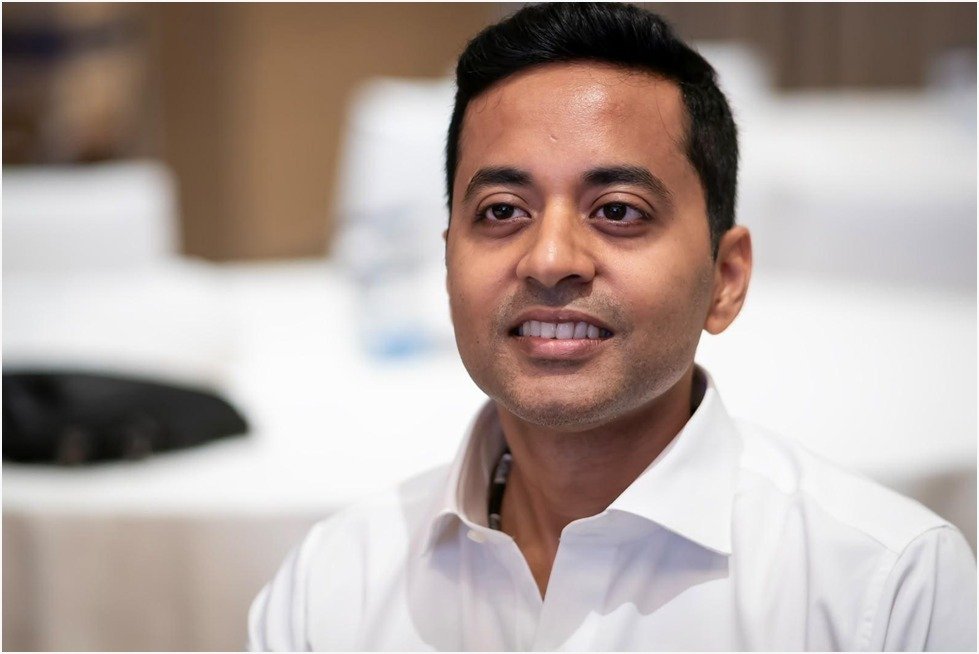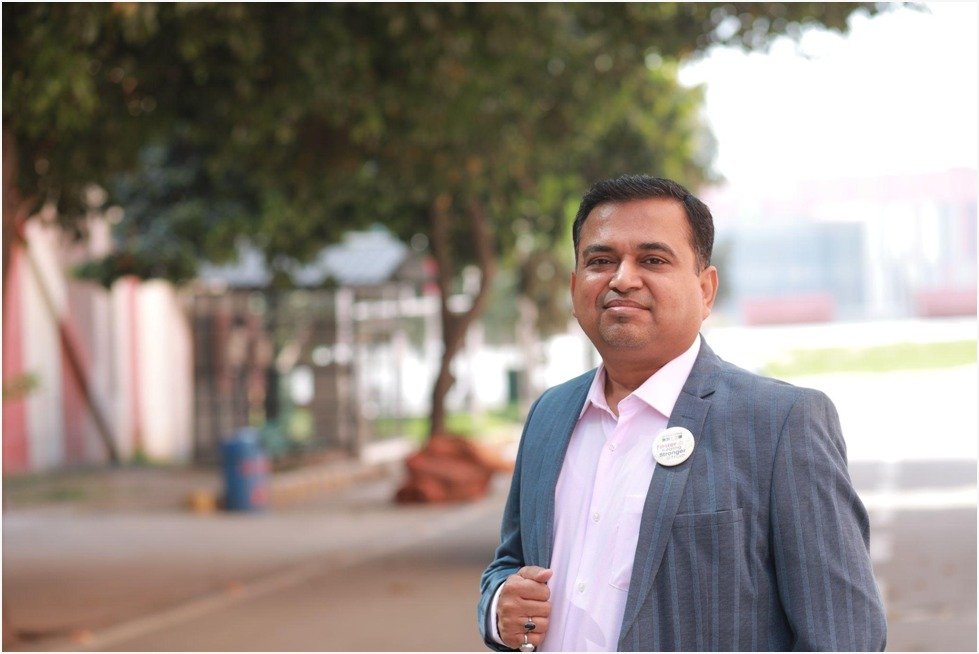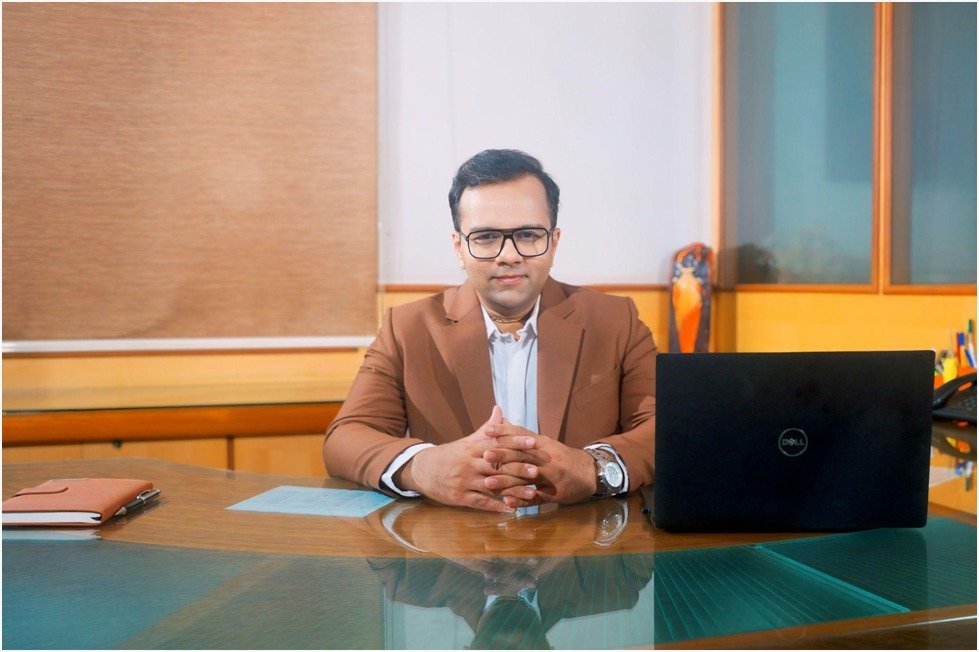

Vansh Gami and Moksh Gandhi, two brothers, started Intiv India with a vision to take artificial intelligence into a next level with their systems and solutions. What began as an ambitious entrepreneurial dream is steadily evolving into a broader technology movement—one built around the belief that India should not merely consume the world’s technology, but build the technology the world uses.
At the heart of their vision is a simple but powerful philosophy: “Made in India, For the World.”
Intiv India is positioning itself at the intersection of artificial intelligence, product engineering, healthcare technology, government technology and enterprise SaaS. Rather than operating as a conventional software company, the young venture is attempting to build what could eventually become a technology ecosystem—where ideas move from concept to engineering, deployment and real-world implementation under one roof.
The ambition is unmistakably large.
For Gami and Gandhi, the opportunity is not simply to create another technology company. It is to participate in India’s transition from a technology-consuming economy into a technology-building powerhouse.
Building for Bharat, Not Just Building for India
India’s technology story is often told through its IT services giants and rapidly growing startup ecosystem. But the next chapter could be about something different: deep technology designed specifically for India’s scale, complexity and diversity.
That is where Intiv India’s “Built for Bharat” philosophy comes into play.
The brothers believe that India’s enormous population, diverse industries and unique infrastructure challenges require technology that is developed with Indian realities in mind. Artificial intelligence, automation, cloud systems and intelligent products should not remain confined to laboratories or boardrooms. They should eventually solve problems on the ground.
And once those solutions work at India’s scale, the world becomes the next market.
This philosophy is reflected in the company’s growing work across multiple sectors, including government contracts, critical-care healthcare products and enterprise SaaS systems for industries.
While the company remains tight-lipped about specific projects and technologies under development, its expanding scope indicates an intention to work far beyond traditional software development.
From Software to Systems
One of Intiv India’s defining ambitions is its focus on systems and solutions rather than isolated applications.
The distinction matters.
The company aims to combine software, artificial intelligence, hardware, cloud infrastructure and product engineering wherever required to create complete technology solutions.
Its growing involvement with government-oriented opportunities places the company in a particularly interesting space. Government technology projects demand more than innovation—they require reliability, scalability, security and the ability to operate within complex environments.
Similarly, its movement into critical-care healthcare technology represents another high-stakes frontier where engineering meets human impact.
Alongside these verticals, Intiv India is also building SaaS-oriented solutions for industries, aiming to help businesses digitise operations, improve efficiency and make data-driven decisions.
The common thread across all of these areas is artificial intelligence.
The AI-First Generation
For Gami and Gandhi, AI is not being treated as a buzzword or an add-on feature.
They envision artificial intelligence becoming an underlying layer across products and systems—capable of transforming how organisations monitor, analyse, predict and respond to real-world situations.
That approach reflects a larger generational shift.
Young Indian entrepreneurs today have access to computing power, open-source technologies, advanced AI models and global markets that previous generations could only imagine. The brothers are attempting to use that advantage to create products from India rather than simply build outsourced solutions for overseas companies.
Their larger bet is that the next generation of Indian technology companies will be judged not by where they operate, but by how much of the world they can influence.
A Bigger Dream Than a Startup
Perhaps the most ambitious aspect of Intiv India’s journey is that its vision extends beyond commercial success.
The brothers see entrepreneurship as a component of nation-building.
Their belief is straightforward: a stronger India requires stronger indigenous technology capabilities.
From healthcare and government infrastructure to industrial software and intelligent systems, technological independence can reduce reliance on imported solutions while simultaneously creating opportunities for Indian engineers, researchers, manufacturers and entrepreneurs.
This is where “Make in India” becomes more than a manufacturing slogan for Intiv India. It becomes a philosophy of intellectual and technological independence.
The dream is not to build products only for India.
It is to build them in India, for India, and ultimately for the world.
The Road Ahead
Intiv India is still at the beginning of its journey, but its ambitions are already extending across multiple dimensions of technology.
Two brothers, a young company and an unusually large vision: build artificial intelligence into real-world systems, solve problems at scale, create technology for Bharat and eventually take those solutions beyond India’s borders.
The road from a startup to a globally recognised technology company is notoriously difficult. But companies that eventually reshape industries often begin with an idea that initially sounds disproportionately ambitious.
For Vansh Gami and Moksh Gandhi, that ambition can be summed up in seven words:
“Made In India, For The World.”
And if their vision succeeds, Intiv India may not simply be another company emerging from India’s startup ecosystem.
It could become part of a much larger story—the story of a generation determined to make Bharat not just a market for the world’s technology, but one of the world’s most important creators of it.