Meet the Pune surgeon blending aesthetic medicine with longevity science
Not very long ago, a visit to a plastic surgeon usually meant one of two things: an accident had occurred, or someone wanted to change how they looked.
Today, that story is changing.
Increasingly, patients are walking into aesthetic clinics not because they want a dramatic transformation, but because they want to age better, stay healthier, preserve their appearance, and maintain their confidence as the years go by.
At the center of this shift is a new generation of doctors who believe that beauty and health can no longer be treated as separate conversations.
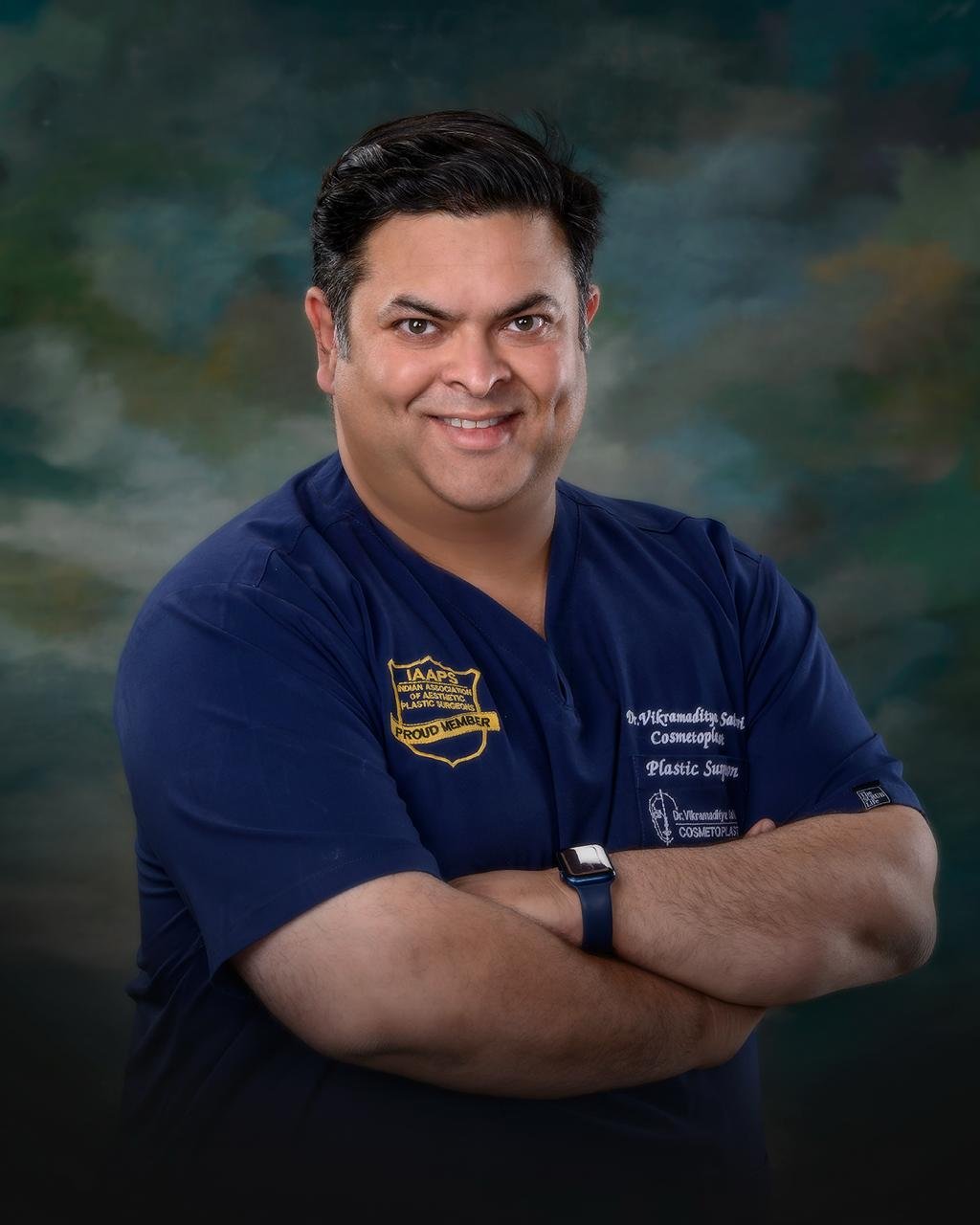
Among them is Pune-based plastic, cosmetic and reconstructive surgeon Dr. Vikramaditya Salvi, founder of Cosmetoplast, who has spent years watching the relationship between health and appearance unfold in his consulting room.
“Many people assume aesthetics is only about appearance,” says Dr. Salvi. “But over the years I began noticing that some of the concerns patients brought to me were often connected to much deeper issues involving metabolism, nutrition, hormones, stress, sleep, and overall health.”
It was a realization that would gradually reshape his approach to patient care.
A Different Kind of Patient
The patients visiting aesthetic clinics today are very different from those of a decade ago.
The modern patient is often well informed, widely read, and highly aware of the impact lifestyle can have on appearance.
A young professional may seek help for hair thinning before it progresses to significant baldness.
A mother may want advice on restoring her body after pregnancy but also wants guidance on energy levels, muscle health, and sustainable weight management.
A corporate executive may ask about facial rejuvenation while simultaneously struggling with poor sleep, chronic stress, and metabolic issues.
For many doctors, these concerns fall into different specialties.
For patients, however, they are all part of the same story.
“They don’t see separate compartments,” explains Dr. Salvi. “To them, looking good, feeling energetic, maintaining a healthy weight, preserving muscle, having healthy skin, and aging gracefully are all interconnected.”
This observation reflects a larger trend that is now gaining momentum worldwide.
The conversation around health is moving away from treating disease and increasingly toward preserving function.
People are asking not only how long they will live, but how well they will live.
The Evolution of Aesthetic Medicine
Historically, aesthetic medicine focused primarily on correcting visible concerns.
Wrinkles were treated because they were visible.
Hair transplants were performed because hair had already been lost.
Body contouring procedures were considered once weight gain had already occurred.
Today, the emphasis is increasingly shifting toward prevention.
Patients in their late twenties and thirties are discussing skin quality before significant aging appears.
Men are seeking treatment for early hair loss rather than waiting until extensive baldness develops.
Women are exploring ways to maintain skin health, muscle tone, and metabolic fitness long before traditional signs of aging emerge.
This change has transformed the role of aesthetic practitioners.
Doctors are no longer simply providers of procedures. They are increasingly becoming long-term partners in health and aging.
The most successful outcomes often come not from a single treatment but from understanding the bigger picture.
When Appearance Tells a Deeper Story
One of the lessons learned through years of clinical practice is that the body often leaves clues.
Hair thinning may sometimes reflect nutritional deficiencies.
Changes in skin quality can occasionally indicate hormonal shifts.
Difficulty maintaining weight may be linked to metabolic factors.
Persistent fatigue can influence everything from recovery to appearance.
“Patients frequently come to us concerned about what they see in the mirror,” says Dr. Salvi. “But very often the mirror is only showing part of the story.”
It is a perspective that has become increasingly relevant as scientific understanding of aging advances.
Researchers now recognize that many of the visible signs traditionally associated with aging are influenced by processes occurring throughout the body.
Inflammation, metabolic health, muscle mass, cardiovascular fitness, sleep quality, and nutrition all play a role in how people age, both internally and externally.
The face and body may be revealing what is happening beneath the surface.
The Rise of Longevity Medicine
In recent years, longevity medicine has emerged as one of the fastest-growing areas of healthcare globally.
Unlike conventional medicine, which often focuses on diagnosing and treating disease, longevity medicine aims to identify risks early and optimize health before problems develop.
Advanced blood testing, body composition analysis, metabolic assessments, genetic insights, VO₂max testing, and personalized health interventions are increasingly becoming part of modern preventive care.
For Dr. Salvi, the overlap between longevity science and aesthetic medicine became impossible to ignore.
Many patients seeking aesthetic improvement were simultaneously interested in improving their health span, energy levels, body composition, and quality of life.
The two conversations naturally began to merge.
This ultimately contributed to the development of TruPeak Health, a longevity-focused healthcare initiative designed to complement traditional approaches to wellness and preventive medicine.
The goal was not to replace aesthetics but to expand the conversation.
Beyond Looking Younger
Perhaps the biggest misconception surrounding modern aesthetic medicine is that it is solely about looking younger.
The reality is often more nuanced.
Most patients are not seeking to look twenty years younger.
They simply want to look as healthy, energetic, and vibrant as they feel.
They want confidence during professional meetings.
They want photographs that reflect how they see themselves.
They want to remain active, capable, and engaged with life.
Increasingly, patients understand that achieving those goals requires more than procedures alone.
It requires attention to lifestyle, nutrition, fitness, recovery, stress management, and long-term health.
In many ways, the future of aesthetics may be less about changing appearances and more about supporting overall wellbeing.
A New Model for the Future
Healthcare is evolving.
The boundaries that once separated specialties are becoming less rigid.
Patients today expect integrated solutions rather than isolated treatments.
The future may belong to clinics and healthcare professionals capable of connecting these different pieces together.
For Dr. Vikramaditya Salvi, that future involves bringing aesthetics, preventive medicine, and longevity science into the same conversation.
Not because appearance is everything.
But because appearance often reflects something deeper.
“The goal isn’t simply to help people look better,” he says. “The goal is to help people feel healthier, function better, age more gracefully, and ultimately live better lives.”
As medicine continues to evolve, that philosophy may prove to be one of the most important transformations of all.
For a growing number of patients, beauty is no longer just about what they see in the mirror.
It is becoming a reflection of health itself.