
Something interesting is happening across India’s cities.
Young professionals are living alone in record numbers. Couples are choosing to delay marriage and parenthood. Homes are becoming smaller, work schedules more demanding, and lifestyles increasingly fast-paced. Alongside these changes, another quiet shift is reshaping the way people experience companionship.
A new generation of Indians is redefining what it means to be a pet parent.
While dogs have traditionally dominated India’s pet culture, a growing number of urban households are making a different choice. Cats are becoming the companion of choice for professionals, entrepreneurs, creatives, and young families looking for a relationship that fits naturally into modern city life.
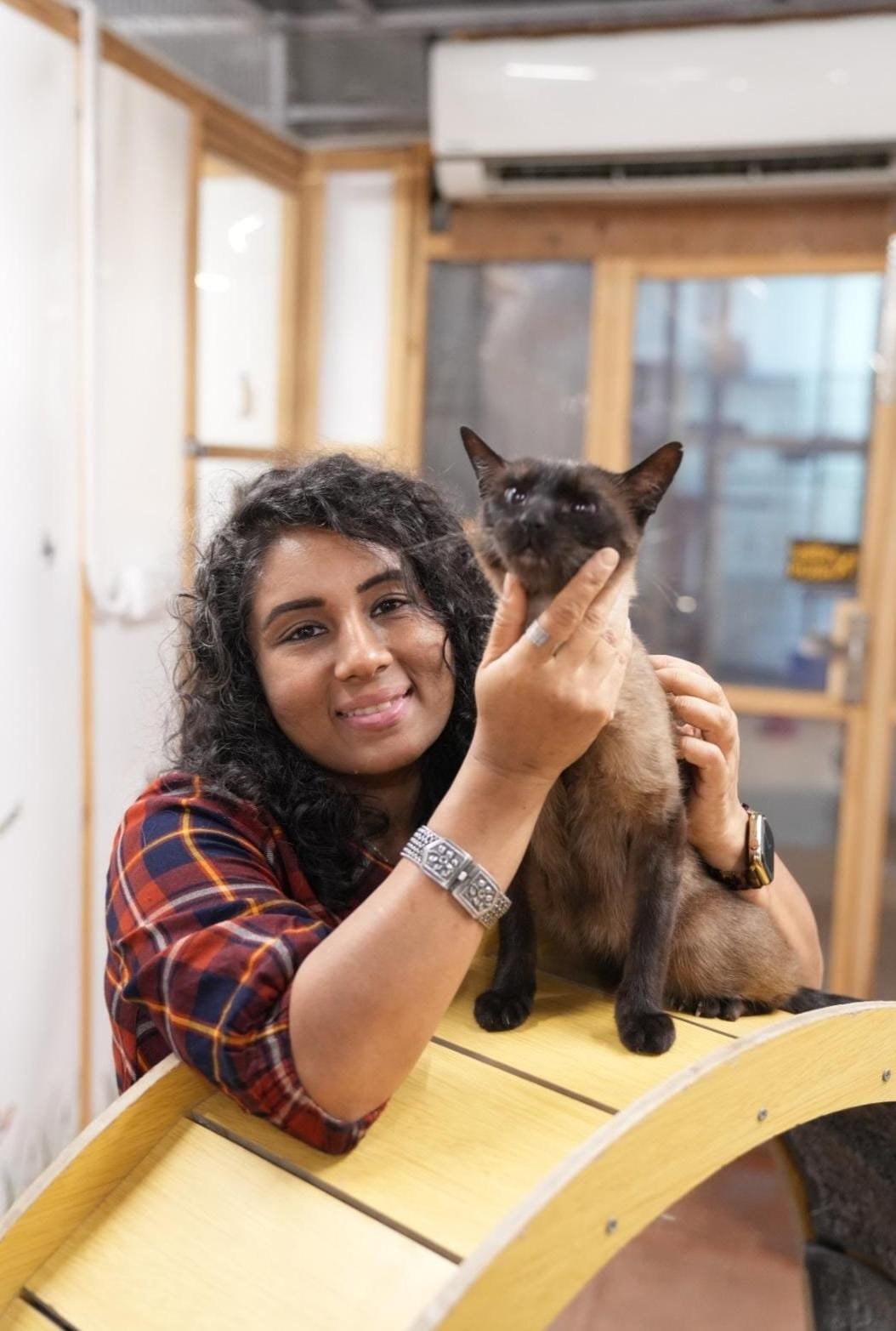
According to Isha, popularly known as “The Cat Lady of India,” this is not simply a rise in cat adoption. It is a reflection of changing lifestyles and changing priorities.
“People today are looking for companionship that complements their lives rather than competes with it. Cats offer emotional connection while respecting independence, and that balance resonates with many urban pet parents,” she says.
This shift is creating an entirely new category within India’s pet care industry. Cat parents are seeking information that goes beyond basic pet care. They want to understand feline behavior, nutrition, emotional well-being, and environments that allow their cats to thrive.
Unlike previous generations, today’s pet parents are investing in premium nutrition, preventive healthcare, enrichment activities, specialized boarding, and expert guidance designed specifically for cats. They are treating pets as family members rather than simply household animals.
As demand grows, businesses are beginning to recognize that cats cannot be approached with the same mindset as dogs. Their behavioral patterns, environmental needs, and stress responses are fundamentally different. This growing awareness is driving demand for cat-exclusive services, feline-friendly spaces, and professionals who understand species-specific care.
Isha has been at the forefront of this movement, helping thousands of cat parents better understand their companions through educational content and practical guidance. Her work focuses on replacing long-held myths with evidence-based care, encouraging people to understand cats on their own terms rather than comparing them with dogs.
One of the biggest misconceptions, she explains, is that cats are low-maintenance pets.
“Cats are often described as independent, but independence should never be confused with having fewer needs. They require thoughtful care, proper nutrition, emotional security, and an environment that respects their natural instincts.”
The silent revolution is also changing the way people think about pet parenting itself. Success is no longer measured by ownership alone but by understanding. More cat parents are learning to read feline body language, recognize signs of stress, respect boundaries, and build trust through patience instead of control.
This evolution reflects a broader cultural shift toward conscious caregiving. Just as people today make more informed decisions about health, nutrition, and mental well-being, they are beginning to apply the same mindset to the animals they welcome into their homes.
For Isha, the future of India’s pet care industry will belong to those who prioritize education alongside services.
“The more we understand cats, the better we care for them. Every informed cat parent contributes to a future where feline welfare becomes a standard rather than an afterthought.”
The silent pet parenting revolution happening across urban India is about far more than the growing popularity of cats. It is about a generation choosing empathy over assumptions, knowledge over myths, and responsibility over convenience.
And as this movement continues to grow, cats are quietly transforming not just homes, but the future of pet parenting in India.