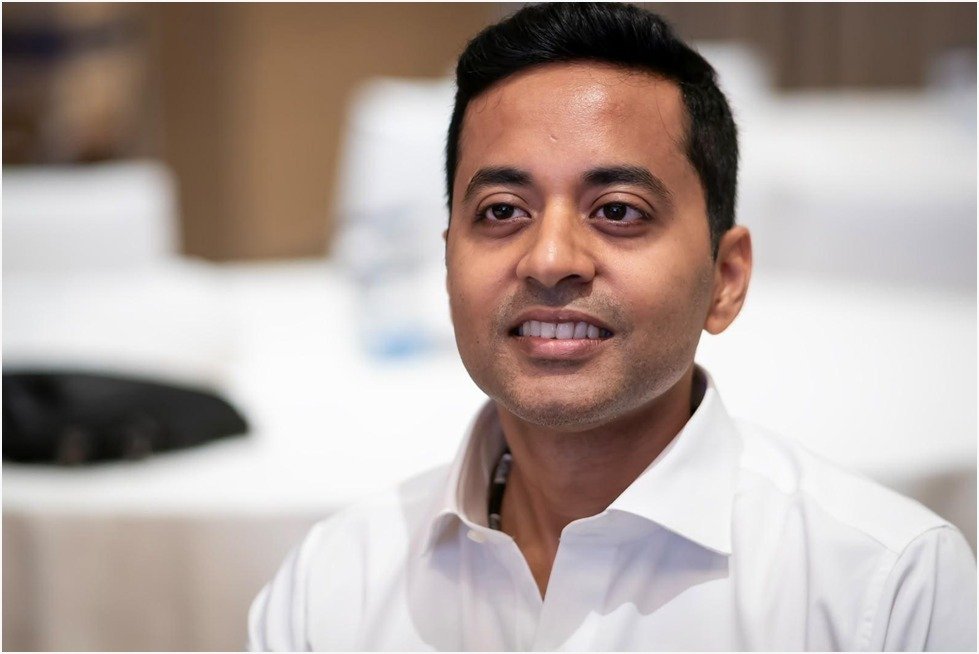

Diptansh Kharbade has been doing performance marketing for a few years now — ecommerce, hospitality, lead gen, app installs, across the US, Europe, and India — and somewhere along the way he stopped thinking of it as “running ads.” It’s more like engineering, he says. You’re not just picking budgets and swapping creatives all day. You’re building something that keeps working after you close the laptop.
It starts with the platforms, honestly
Before any of the automation, there’s just knowing the platforms cold. Diptansh has spent years hands-on inside Meta Ads — DPA, feed-based strategies, funnel-wise creative testing — and Google Ads across Search, Display, YouTube, Performance Max, GA4, and remarketing. He works a lot inside Shopify too, pulling store data and product feeds straight into campaigns instead of treating the storefront and the ad account like two different jobs. And he thinks omnichannel by default — Meta, Google, WhatsApp, email, all tied to one customer journey instead of five separate silos. None of the automation works if you don’t actually understand what you’re automating.
His rule: if it can be automated, it should be
Every time he starts a new campaign, before he even opens Ads Manager, he asks what part of this doesn’t need a human doing it manually. Reporting, follow-ups, budget checks — a lot of that shouldn’t be eating up someone’s day.
Apps Script does more than people think
A good chunk of the boring-but-important work — pulling numbers into a sheet, triggering a follow-up, getting two tools that don’t talk to each other to actually talk — he handles through Google Apps Script. Write the connection once, and it just runs. No more manually exporting a CSV every Monday morning.
He built his own thing on top of Meta’s APIs
At some point he got tired of jumping between five tabs, so he built a custom developer app that ties Meta’s Marketing API together — creating and managing campaigns, capturing leads, pulling performance data straight into his own reporting instead of Ads Manager. He hooked in the Catalog API for product management, app-install campaigns, automated Messenger replies, and he’s been playing around with the Threads API too. One system, not five logins.
Where AI actually earns its place
He’s honestly a bit tired of “AI” as a buzzword, but here’s where it’s genuinely useful for him: he built a creative dashboard that flags when a creative is starting to fatigue, before the CTR actually drops — so he’s not finding out a month later that budget’s been quietly draining. AI-driven feed automation has also made his product-listing decisions sharper and faster.
A recent project, as an example
On one recent project, all of this came together as five connected systems — ad operations, creative localization, backend automation, reporting that updates itself, and a strategy layer that ties expansion calls back to actual data. Nothing bolted on as an afterthought. Just one system doing what it’s supposed to.
Automation doesn’t stop at the ad account
Hospitality taught him this one — automation matters most the second a lead comes in. Automated WhatsApp flows and CRM triggers meant nobody ever sat there forgotten. Marketing doesn’t end at the click, and automation is what actually carries it through to the next step.
Diptansh doesn’t think AI replaces marketers. He thinks it just clears out the repetitive stuff so there’s actual time left to think — which, he says, is the part of the job he still enjoys the most.
Diptansh Kharbade | Performance Marketing Professional, Pune
Phone: 89831 18901
Email: dkharbade2500@gmail.com
LinkedIn: linkedin.com/in/diptansh-kharbade
Related LinkedIn Posts