For India’s micro, small and medium enterprises (MSMEs), completing a sale does not necessarily mean getting paid. An invoice may be raised, goods may be delivered, services may be completed, and yet the money can remain stuck for weeks or months. For a business operating on tight working capital, that delay can create a problem far bigger than an accounting entry.
It can affect salaries, supplier payments, inventory purchases, expansion plans and the ability to take on the next opportunity.
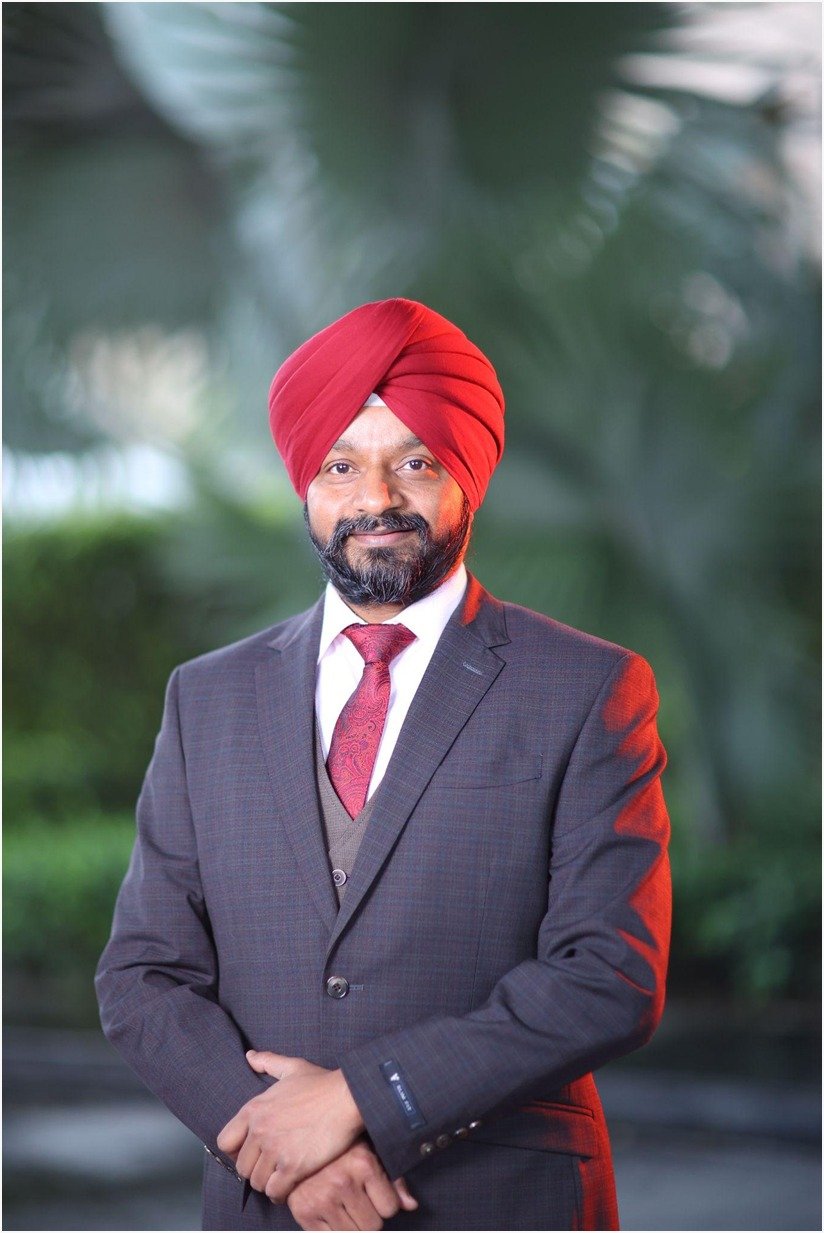
The growing focus on delayed MSME payments has brought an old business problem back into the spotlight. But according to Jagmohan Singh, widely known as India’s Cash Flow Sardar, the conversation needs to go one step further. Faster payments are important, but businesses also need stronger internal cash flow management and financial control.
Jagmohan Singh has spent more than 25 years working with MSME and SME business owners across industries. His experience has shown him that many businesses are not necessarily short of sales or even profitability. Their real problem is that cash is not moving through the business efficiently.
“A sale is not cash. An invoice is not cash. Until the money reaches your bank account, it cannot pay your suppliers, salaries or fund your next growth opportunity.” [Founder quote to be approved]
This distinction is at the heart of Jagmohan Singh’s philosophy as the Cash Flow Sardar.
For years, business owners have been conditioned to track revenue, turnover and profit as their primary indicators of business performance. While these numbers remain important, the Cash Flow Sardar believes they can create a dangerous sense of security when viewed without cash-flow visibility.
Consider a growing MSME that wins a significant new order. On paper, the development looks positive. Revenue will rise, the customer base will expand, and the business may report higher profits. But fulfilling that order could require the company to purchase raw materials, pay employees, increase inventory and spend on logistics months before receiving payment from the customer.
The business has grown.
But its cash requirement has grown faster.
This is where working capital management becomes critical.
Delayed receivables are only one part of the problem. Excess inventory, inefficient payment cycles, unplanned expenses and weak financial monitoring can also trap cash inside a business. When these issues accumulate, entrepreneurs may find themselves borrowing money simply to fund operations that appear profitable on paper.
Jagmohan Singh believes this is precisely why cash flow management for MSMEs needs to move from being an accounting exercise to becoming a core business discipline.
Business owners need to know not only how much they are selling, but when that money will actually enter the bank account. They need visibility into outstanding receivables, upcoming payments, working capital requirements, and potential cash shortages before those shortages become emergencies.
“The question every business owner should ask is not only ‘How much did we sell?’ It is ‘When will that money come in, and what happens to the business if it does not come on time?’”
This approach is particularly relevant as India continues strengthening mechanisms designed to address delayed payments to MSMEs. Platforms and policy measures can help businesses access receivables more efficiently, but external systems cannot replace internal financial discipline.
For the Cash Flow Sardar, the objective is therefore bigger than simply collecting overdue invoices. It is about building financially resilient businesses that can withstand delays, market fluctuations and unexpected expenses without immediately entering a cash crisis.
That requires entrepreneurs to create a culture of financial visibility.
Weekly cash-flow reviews, disciplined receivables follow-ups, realistic working capital planning, inventory control and clear financial dashboards can give business owners a much better understanding of the financial health of their companies. Instead of discovering a cash shortage after it happens, they can identify pressure points early and take corrective action.
This philosophy is also reflected in Jagmohan Singh’s broader Cash Flow Revolution, through which he advocates a shift in how Indian entrepreneurs think about business success. His focus is on helping MSMEs move beyond profit on paper to cash in bank, creating businesses that are not only profitable but also financially controlled and cash-rich.
The message from India’s Cash Flow Sardar is particularly relevant for businesses in growth mode.
Growth should create strength, not financial stress.
A business that increases sales while simultaneously increasing receivables, inventory and borrowing may look successful from the outside while becoming more financially fragile underneath. Sustainable growth requires entrepreneurs to understand the relationship between sales, profit, working capital and cash flow.
That is why Jagmohan Singh believes the next generation of successful Indian MSMEs will not necessarily be defined by who generates the highest turnover. They will be defined by who has the strongest financial control.
As the conversation around MSME delayed payments continues, the lesson for business owners is clear: getting paid faster matters, but knowing how to manage cash before, during and after every transaction matters just as much.
For Jagmohan Singh, India’s Cash Flow Sardar, the ultimate goal is simple: help entrepreneurs build businesses where cash flow is predictable, financial decisions are informed, and growth does not come at the cost of financial stability.
Because in business, profit may tell you what happened. Cash flow tells you whether you can keep going.