
India’s diagnostic industry is evolving rapidly. Growing health awareness, preventive testing, home sample collection, digital platforms, organised laboratory chains and increasing consumer expectations are changing how diagnostic services are discovered, delivered and experienced.
For independent and mid-sized diagnostic centres, however, this changing landscape presents a fundamental question: Can they continue to compete primarily on price?
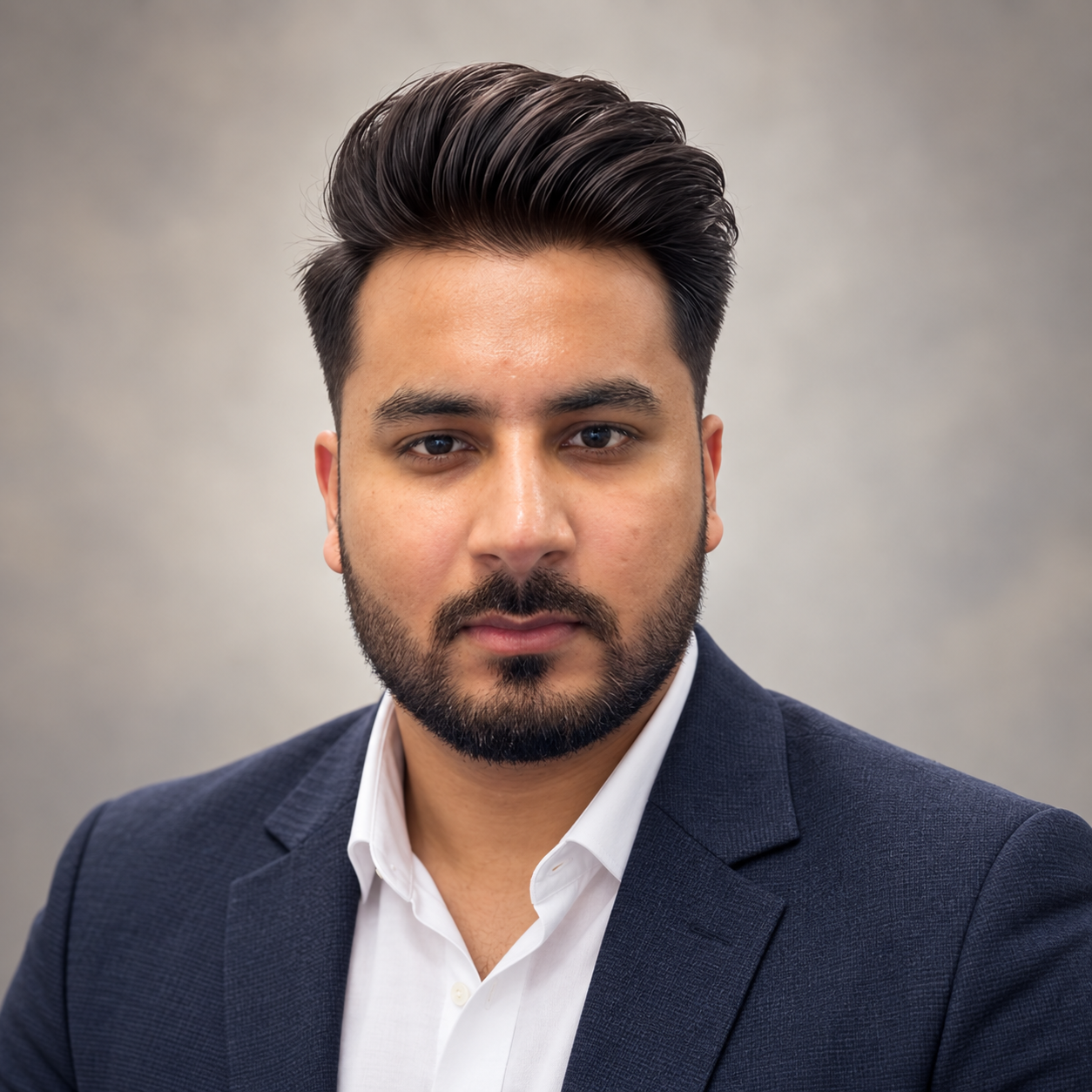
According to Raj Sehgal, healthcare business advisor and founder of Gratitude Healthcare, competing on discounts alone may not be a sustainable long-term strategy.
“A diagnostic test is often viewed as a transaction, but the patient’s expectations are changing. Speed, convenience, trust, clarity and the overall experience increasingly influence how patients and healthcare providers choose a diagnostic service.”
The challenge is particularly significant for smaller laboratories operating in markets where large diagnostic chains have stronger brand recognition, larger marketing budgets and increasingly sophisticated digital capabilities. Attempting to match these players test for test and discount for discount can put pressure on margins without necessarily creating a stronger business.
Beyond the Test: Rethinking the Value Proposition
The traditional approach to growth in diagnostics has often focused on increasing test volumes. While volume remains important, diagnostic businesses may need to think more deeply about where sustainable growth will come from and why customers choose them in the first place.
“Every lab does not need to become a large regional or a national chain,” says Sehgal. “But every lab needs clarity about the market it serves and the value it offers. For some, that may be stronger relationships with doctors and local communities.For others, it could be specialised testing, corporate health programmes, preventive packages or a superior patient experience.”
This shift requires diagnostic centres to look beyond simply adding more tests to their menu or be a part of the unnecessary price war. The opportunity may lie in creating more relevant healthcare offerings for specific customer groups.
For example, rather than promoting individual tests in isolation, diagnostic providers can develop thoughtfully designed health packages around specific needs such as diabetes, cardiac risk, women’s health, senior health or preventive screening. The objective, however, should not simply be to bundle tests together.
“The real question is whether a diagnostic provider is helping address a meaningful health need or merely selling a collection of tests,” Sehgal points out. “The distinction matters for both patient trust and long-term business positioning.”
Corporate Health: An Underutilised Growth Opportunity
Another area that deserves greater attention is the corporate market.
Many diagnostic businesses remain heavily dependent on B2B business, walk-in customers, doctor referrals or local marketing. Yet companies are increasingly exploring employee health initiatives, preventive screening and wellness programmes.
This creates a potentially important B2B opportunity for diagnostic providers, provided they develop the right capabilities.
Corporate business is not simply about approaching HR departments with a rate card. It requires understanding organisational needs, developing appropriate programmes, creating a structured sales approach and demonstrating the value of preventive health initiatives.
“Corporate sales require a different mindset from retail diagnostics,” saysRaj Sehgal. “It needs focused business development, relationship management and the ability to build solutions around the requirements of an organisation rather than simply selling discounted tests.”
For diagnostic centres seeking new revenue streams, a more structured approach to corporate health could therefore become an important growth lever.
The Patient Journey May Become a Competitive Advantage
Technology is also changing expectations around what happens after a diagnostic test.
For many patients, the interaction with a laboratory effectively ends when they receive a report. Yet from a healthcare perspective, the report is often only the beginning of the patient’s journey.
Booking convenience, online report, improved report communication and emerging AI-enabled health technologies are creating new possibilities for helping patients better understand their health information and identify appropriate next steps.
Sehgal believes this could gradually change the competitive landscape.
“The future opportunity may not be limited to generating a faster report. It may increasingly involve helping patients and healthcare providers make better use of the information contained in that report.”
This does not mean diagnostic centres should cross the boundaries of their clinical role or replace doctors. Rather, it highlights the potential importance of clearer communication, responsible patient engagement and better integration into the broader healthcare journey.
Competing Smarter, Not Just Cheaper
The future of diagnostics will undoubtedly continue to be competitive. Price will remain an important consideration, particularly in a cost-conscious market such as India. But price alone may be an increasingly difficult basis on which to build differentiation.
Independent and mid-sized diagnostic providers may instead need to make clearer strategic choices:
- Which customer segments do we want to serve?
- Where can we build genuine differentiation?
- How can we strengthen our B2B and corporate business?
- Are our health packages solving meaningful customer needs?
- How can we improve the patient experience?
- What happens after the patient receives the report?
- Are we using our existing infrastructure and capacity effectively?
“Smaller players should not assume that competing with a large chain means copying its model,” says Raj Sehgal. “Their strength can often be their local understanding, agility, relationships and ability to build a more focused offering.”
As India’s diagnostic industry continues to evolve, the winners may not necessarily be those offering the lowest price or the longest test menu. Increasingly, success could depend on understanding the market better, building stronger relationships and creating value beyond a single diagnostic transaction.
For independent diagnostic centres, the strategic question may therefore be shifting from:
‘How do we sell more tests?’
to:
‘How do we build a more relevant and sustainable diagnostic business?’
About Raj Sehgal
Raj Sehgal is a healthcare business advisor and the founder of Gratitude Healthcare. His experience spans healthcare and diagnostics business development, corporate sales, marketing, growth strategy and healthcare advisory. Through Gratitude Healthcare, he works with healthcare organisations and entrepreneurs on areas including business strategy, growth, market development and commercial capability.