
India’s wedding season has become a powerful demand engine for hospitality. Prime dates at popular destinations are being booked months in advance, hotels are reporting stronger wedding pipelines, and spending is moving beyond rooms and banquets into curated experiences, décor and multi-day celebrations.
For hotel owners, that is unquestionably good news.
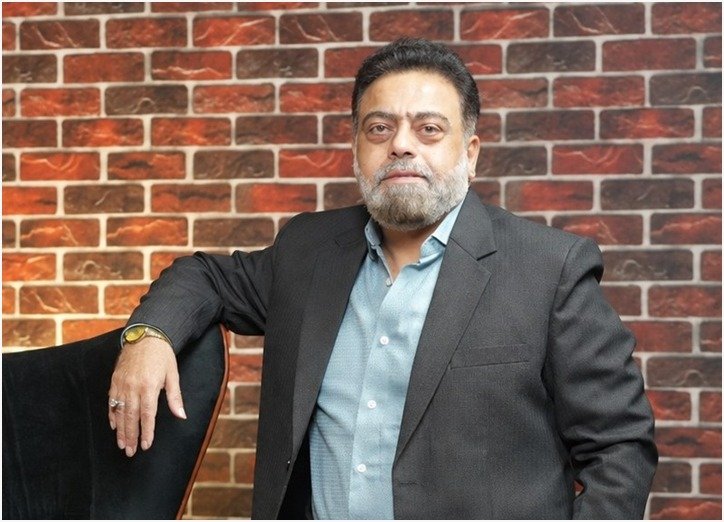
But Rakesh Sachdeva believes there is a more important question behind the full ballrooms and sold-out weekends: is the wedding boom merely filling hotels, or is it helping build better-performing hotel assets?
A Busy Hotel Can Still Hide Weak Performance
The distinction matters because peak demand can make almost any hotel look healthy for a few days.
High occupancy, premium room rates and packed banquet calendars are visible. What is less visible is whether those busy periods are translating into stronger margins, better guest retention, more efficient operations and a healthier asset once the event is over.
That concern is especially relevant in a market where demand remains strong. ICRA expects the Indian hospitality industry to record 7–9% year-on-year revenue growth in FY2027, supported by domestic leisure travel, MICE, weddings and business travel. It also expects premium hotel occupancy to remain around 72–74%.
The opportunity is real. So is the risk of confusing demand with performance.
Sachdeva’s view is that hotel owners should use periods of high wedding demand as a stress test, not simply a victory lap.
“The real test of a hotel is not how busy it looks on a peak weekend. It is how well that demand converts into profitability, guest experience and repeat business after the event is over.”
[FOUNDER APPROVAL REQUIRED]
Weddings Test the Entire Hotel, Not Just the Banquet Team
A large wedding touches almost every part of a premium hotel.
Rooms must turn smoothly. Front office teams handle concentrated arrivals and departures. Housekeeping works under tighter timelines. Kitchens operate at scale. Engineering cannot afford disruption. Security, transport, vendor movement and guest requests all intensify at the same time.
That makes weddings more than a revenue opportunity.
They are an operating test.
If departments work in silos, the guest feels it immediately. If service recovery is slow, the scale of the event magnifies the problem. If teams are stretched without clear accountability, short-term revenue may come at the cost of employee fatigue, inconsistent service and future reputation.
For Sachdeva, that is where owners need to look beyond the event P&L.
A wedding may be commercially successful on paper, but a better question is whether the hotel delivered that business without compromising the rest of the property.
From Wedding Revenue to Asset Performance
This is where the conversation around hotel performance needs to mature.
Owners should certainly track room revenue, banquet revenue, average room rate and occupancy. But those numbers alone do not show the full picture.
How much incremental profit did the event create after additional manpower, utilities, vendor coordination and operational pressure?
Did regular guests experience disruption?
Were complaints resolved quickly?
Did the property capture future family events, corporate leads or repeat leisure stays?
Did the hotel strengthen its reputation, or simply survive a very busy weekend?
These questions shift the focus from event volume to long-term asset performance.
That approach reflects Sachdeva’s broader philosophy: most hotels are not necessarily failing. They are operating. The gap often lies in understanding why significant effort is not translating into better outcomes.
The Wedding Boom Is an Opportunity to Build Systems
The strongest hotels will use today’s wedding demand to improve how the property works tomorrow.
That means treating every large event as operational data.
Where did service slow down? Which department became a bottleneck? Which guest requests repeated themselves? Where did revenue leak? Which processes depended too heavily on one individual? What would break if the next event were 20% larger?
These are not glamorous questions.
But they are the questions that build stronger hotel businesses.
India’s wedding economy gives hotels a valuable period of pricing power and concentrated demand. The hotels that benefit most will not necessarily be those that simply book the most weddings.
They will be those that convert that demand into stronger systems, better teams, memorable guest experiences and more resilient profitability.
For Rakesh Sachdeva, that is the difference between a hotel that is busy and a hotel that is truly performing.
The ballroom may be full for three days.
The asset has to work for years.