By a Concerned Observer
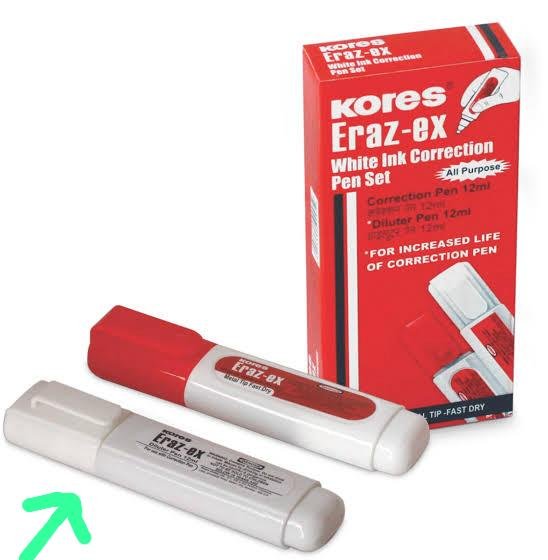
In the narrow lanes behind coaching centres, in hostels, workshops, and even school corridors, a dangerous trend is quietly spreading among India’s young generation. Products meant for harmless, everyday use—like paint diluters and correction fluids such as Erazex—are increasingly being misused for intoxication. At the heart of this issue lies a chemical few outside industrial circles think about: toluene.
🧪 What’s Really Inside These Products?
Toluene, a volatile solvent widely used in paints, adhesives, and correction fluids, is prized for its fast-drying and dissolving properties. Found in many stationery and hardware products, it is cheap, legal, and easily accessible—making it an unsuspecting gateway substance.
When inhaled or consumed (a far more dangerous and less discussed route), toluene acts quickly on the brain, producing short-lived euphoria, dizziness, and hallucinations. But what begins as curiosity or peer pressure often spirals into dependency.
⚠️ The Hidden Epidemic
Unlike alcohol or narcotics, solvent abuse rarely makes headlines. There are no flashy seizures, no high-profile arrests. Yet, public health experts warn that inhalant abuse—particularly among adolescents—is one of the most underreported forms of substance misuse in India.
The reasons are deeply rooted:
Accessibility: No age restrictions on purchase
Affordability: Costs far less than alcohol or drugs
Anonymity: No smell lingering like alcohol; easy to conceal
Lack of awareness: Parents and teachers often overlook early signs
In smaller towns and urban low-income pockets, these factors create a perfect storm.
🧠 What It Does to the Brain and Body
Toluene doesn’t just “intoxicate”—it damages.
Repeated exposure can lead to:
Cognitive decline and memory loss
Mood disorders and aggressive behavior
Permanent damage to brain white matter
Liver and kidney dysfunction
Irregular heart rhythms, sometimes leading to sudden death
Medical professionals describe chronic users as exhibiting symptoms similar to early dementia—at an age when life is just beginning.
🎭 Stories Behind the Silence
A school counselor in Maharashtra recounts cases where students as young as 13 were found carrying correction fluids not for academic use, but for inhalation during breaks. In industrial belts, workers—especially apprentices—report being introduced to solvent sniffing as a “cheap escape” from stress.
What’s alarming is the normalization. For many, it doesn’t even register as “drug use.”
📉 Why It’s Slipping Through the Cracks
India’s drug policies focus heavily on narcotics and psychotropic substances. Solvents like toluene fall outside strict regulation because of their legitimate industrial use.
This creates a policy blind spot:
No strict labeling warnings on many products
No age-restricted sales
Minimal school-level education on inhalant abuse
🛑 The Way Forward
Addressing this issue requires more than enforcement—it demands awareness and systemic change.
- Stronger Product Regulations
Mandatory warning labels, reformulation to reduce abuse potential, and restricted sales to minors could make a significant difference.
- School-Level Intervention
Inhalant abuse must be included in health education, alongside drugs and alcohol.
- Parental Awareness
Recognizing early signs—chemical smells, frequent purchase of correction fluids, behavioral changes—can prevent long-term damage.
- Community & Media Role
This issue needs visibility. Silence only fuels its spread.
🧭 A National Wake-Up Call
India stands at a demographic advantage, with one of the youngest populations in the world. But beneath this potential lies a quiet vulnerability—where something as ordinary as a stationery product can become a tool of self-harm.
The fight against substance abuse cannot be selective. It must include the invisible threats hiding in plain sight.
Because sometimes, the most dangerous addictions don’t come in the form of illegal drugs—but in small bottles, sold over the counter, without a second thought.
Regards –
Dr. pritesh kunwar Bhatt