
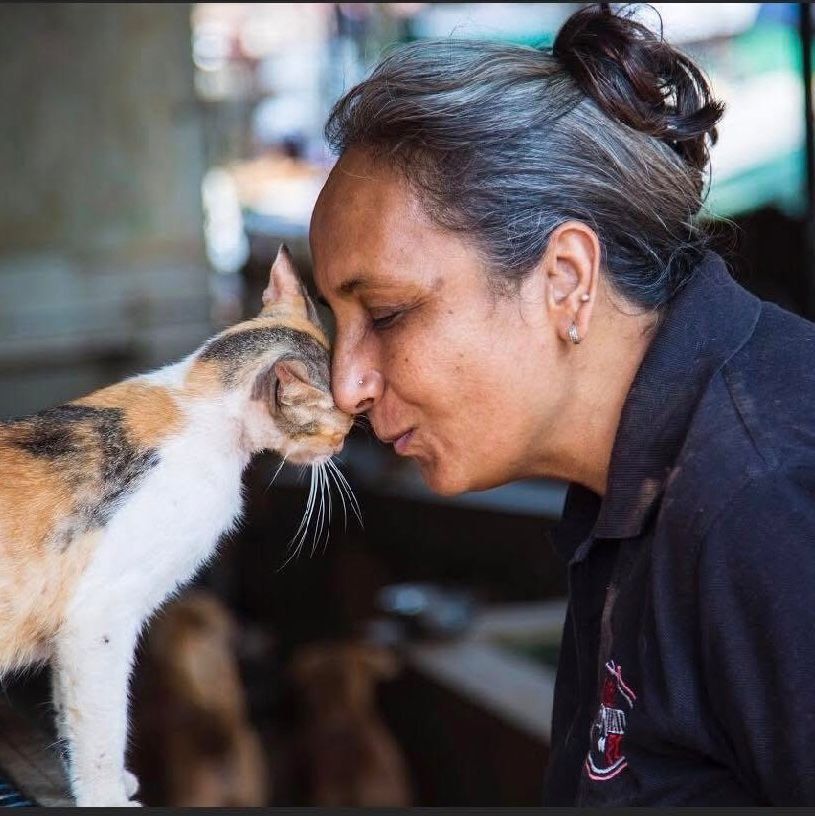
Every few months, Goa finds itself caught in the same debate. A dog bite incident makes headlines. Social media erupts. Camps form. Opinions harden. Some demand removal of stray animals. Others rush to defend them. But in the noise, we often miss the real issue. The conflict is not about the presence of stray dogs and cats.
The conflict is about the absence of compassion, responsibility and participation. Goa’s streets, beaches, villages and neighbourhoods are home to thousands of community dogs and cats. They did not choose to be born on the streets. They are the result of decades of unchecked breeding, abandonment, irresponsible pet ownership and inadequate community participation.
Blaming the animals solves nothing. Science already provides us with the answer: sterilisation on a mass scale. The Animal Birth Control (ABC) programme, recognised under Indian law, remains the only humane, scientific and sustainable way to control stray animal populations. Sterilised animals cannot reproduce, are generally healthier and often display reduced territorial and mating-related aggression. Over time, consistent sterilisation leads to a gradual decline in community animal populations.
Goa has made progress, but the challenge remains significant and making community participation essential if meaningful progress is to be achieved. The truth is simple: government agencies and animal welfare organisations cannot solve this alone. Every Goan has a role to play. If there is a community dog near your home, has it been sterilised? If there is a colony of cats in your neighbourhood, has anyone coordinated their sterilisation? If you regularly feed community animals, have you also taken responsibility for ensuring they are vaccinated and sterilised? Compassion is not merely feeding an animal. Compassion is helping ensure that fewer unwanted litters are born into lives of hunger, disease, injury and neglect.
A single unsterilised female dog and her offspring can contribute to hundreds of puppies over several years. Cats reproduce even faster. Without intervention, the cycle repeats endlessly. Sterilisation breaks that cycle. Importantly, it is also the approach supported by veterinary experts and animal welfare organisations worldwide.
This is not about choosing between humans and animals. It is about creating safer, healthier communities for both. A sterilised, vaccinated community dog is less likely to contribute to population growth. A sterilised cat colony produces fewer kittens. Fewer births mean fewer animals competing for food, fewer animals suffering on the streets and ultimately fewer animals requiring rescue. Most importantly, sterilisation offers a solution rooted in humanity rather than hostility.
Goa has long prided itself on being a place where people coexist with nature. From protecting sea turtles to preserving forests and wildlife, compassion has always been part of our identity. Today, community animals deserve the same consideration.
The next time a debate arises about stray dogs or cats, let us move beyond anger and blame. Instead, let us ask a more productive question: “What can I do?” The answer may be as simple as making a phone call. Contact your nearest animal welfare organisation, veterinary hospital, municipality, panchayat or sterilisation centre. Ask about upcoming Animal Birth Control camps. Report unsterilised dogs and cats in your area. Volunteer. Donate. Help transport animals if required. Encourage your housing society, village committee or neighbourhood group to organise sterilisation drives.
Real change does not happen through arguments on social media. It happens when ordinary citizens take responsibility for the spaces they live in. The future of Goa’s community animals will not be determined by outrage. Let it be determined by participation. The choice before us is clear: more breeding, more suffering and more conflict? Or a humane future built on sterilisation, vaccination and compassion.https://www.instagram.com/banerjeerodrigues