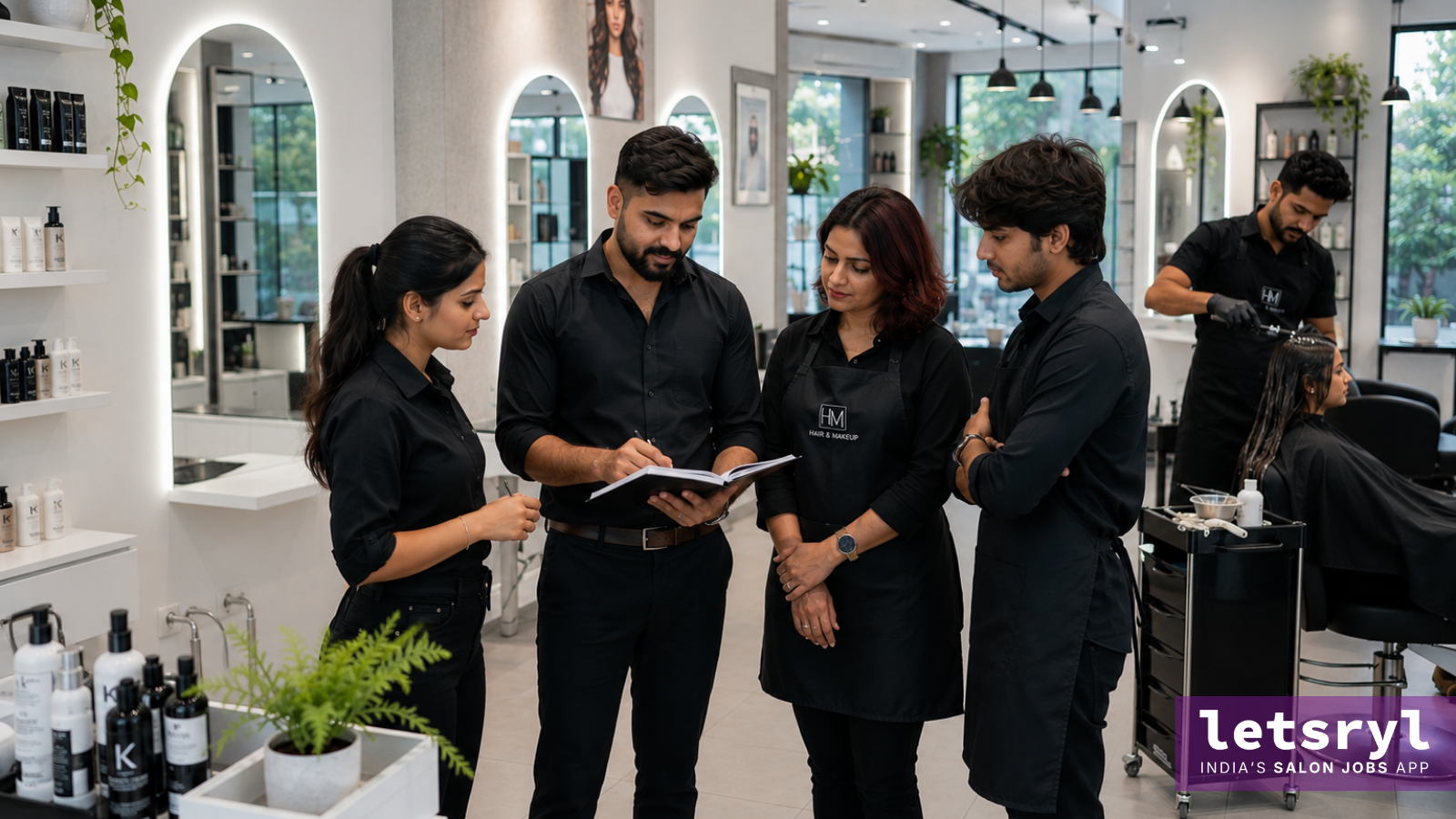
India’s beauty industry has never had more opportunity. New salons are opening across metro cities and emerging markets, customer expectations are rising, and demand for professional beauty services continues to grow. Yet ask any salon owner about their biggest challenge, and the answer is rarely marketing or competition. It’s people.
Finding skilled salon staff and retaining them has quietly become one of the biggest barriers to growth for beauty businesses across India.
As Founder of Letsryl, Sumit Sharma has spent the last several years interacting with thousands of salon owners, HR managers, trainers and beauty professionals across the country. Those conversations have led him to one conclusion: India’s beauty industry doesn’t have a talent shortage. It has a workforce challenge.
For years, salon hiring has relied on referrals, WhatsApp groups, local agents and word of mouth. While these methods still work in certain situations, they struggle to support an industry that is becoming larger, faster and more professional. As salons expand, open new branches and compete for skilled talent, recruitment can no longer remain an informal process.
The biggest shift, however, is happening within the workforce itself.
Today’s salon professionals are looking beyond salary. Learning opportunities, career progression, respectful leadership, transparent communication and a positive work environment increasingly influence where they choose to work and how long they stay. Instead of asking, “Why don’t good candidates stay?” salon owners may benefit more from asking, “Would the best candidates choose to work here in the first place?”
That change in mindset is just as important as improving the hiring process.
Technology has made it easier to discover candidates,reduce hiring time and connect salons with professionals across different cities. Digital hiring platforms can make salon recruitment faster, more transparent and more organized. But technology alone cannot solve workforce challenges. Software cannot replace trust, mentorship, leadership or workplace culture. Businesses that expect technology to solve people problems often overlook the changes they need to make within their own organizations.
Getting someone to join a team is only the first step.
A resume can showcase technical skills, but it rarely reveals how someone handles customers, works with colleagues or responds to feedback. Skills can be strengthened through training. Attitude can evolve with the right guidance. Both depend on continuous learning, structured onboarding and leaders who invest in people rather than simply managing them. The salons that perform best over time aren’t always the ones that hire the fastest. They’re the ones that build teams people genuinely want to be part of.
Observing the same hiring challenges repeat across cities eventually led Sumit Sharma to buildLetsryl.
The goal was never to create just another job portal. Recruitment became the starting point because it affects every growing salon business. As Letsryl evolved, it became clear that hiring is only one piece of a much larger opportunity to strengthen the beauty industry’s workforce.
Today, more than 7,000 salons includingtop brands like Toni&Guy, Naturals, Geetanjali, Jawed Habib etc. and 60,000+ beauty professionals use Letsryl, with over 1,000 live verified salon jobs available on the platform at any given time. Beyond these numbers lies something even more valuable: thousands of real hiring conversations, career decisions and employer insights that continue to shape the platform’s understanding of the industry’s changing needs.
According to Sharma, India’s beauty industry deserves workforce infrastructure built specifically for the way salons hire, develop and retain people.
In practical terms, that means making recruitment simpler, helping professionals build long-term careers, encouraging continuous learning, strengthening employer branding and giving salon businesses better tools to attract and retain talent. Technology should strengthen these relationships, not replace them.
“The future of India’s beauty industry won’t be decided by who opens the most salons,” Sharma believes. “It will be decided by who builds the strongest teams.”
That idea extends beyond recruitment. As the industry continues to grow, businesses that invest in people will have a lasting competitive advantage. Premium interiors, new services and bigger marketing budgets may attract customers, but exceptional teams build lasting businesses.
Recruitment is where Letsryl began, but it isn’t where the vision ends. The larger opportunity is building the workforce infrastructure that will support India’s beauty industry for decades to come, creating better careers for professionals, stronger businesses for salon owners and a more connected, future-ready ecosystem for the entire industry.