
Kolkata: The issue of non-compliance with court-ordered maintenance continues to pose a significant challenge in matrimonial litigation, raising concerns about the financial security of dependants and the effectiveness of enforcement mechanisms. Despite clear legal provisions mandating payment, a growing number of cases indicate that maintenance orders are frequently ignored or delayed, compelling courts to adopt stricter measures.
Under Indian law, maintenance granted under Section 125 of the Code of Criminal Procedure, the Hindu Marriage Act, and the Protection of Women from Domestic Violence Act carries binding force. Once a competent court directs payment, the obligation is enforceable through legal processes, and failure to comply can invite serious consequences.
Legal experts observe that while courts are consistent in awarding maintenance to ensure sustenance of spouses and children, enforcement remains the primary concern. In response, courts have increasingly relied on coercive measures to secure compliance and prevent misuse of procedural delays.
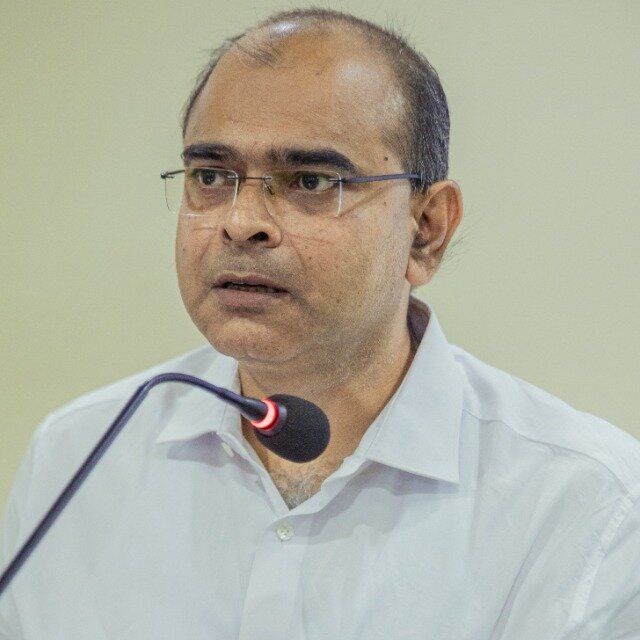
Advocate Prithwish Ganguli, a Kolkata-based practitioner known for handling divorce, maintenance, and child custody matters, highlighted that execution proceedings play a critical role in enforcement. According to him, prompt legal action by the aggrieved party significantly improves the chances of recovery. He emphasised that courts are empowered to ensure that maintenance orders do not remain merely symbolic but are effectively implemented.
“In appropriate cases, courts have directed employers to deduct maintenance directly from the salary of the defaulting party,” Advocate Prithwish Ganguli said. “This method ensures regularity and reduces the scope for evasion, particularly where the respondent is in stable employment.”
Apart from salary attachment, courts have a range of enforcement tools at their disposal. Where direct deduction is not feasible, judicial authorities may order attachment of bank accounts, movable assets such as vehicles, or even immovable property. In certain instances, such assets may be auctioned to recover unpaid maintenance amounts.
Advocate Prithwish Ganguli noted that such measures reflect a shift towards stricter judicial enforcement, especially in urban jurisdictions like Kolkata, where matrimonial disputes have seen a steady increase. He pointed out that courts are becoming less tolerant of wilful default and are more inclined to take decisive action against non-compliant parties.
Another significant aspect of maintenance enforcement is the accumulation of arrears. Unpaid maintenance does not lapse; instead, it continues to accrue over time, often resulting in substantial financial liability. Legal practitioners caution that delays in compliance can significantly increase the burden on the defaulting party, sometimes leading to complex recovery proceedings.
In cases of persistent and deliberate non-payment, courts may adopt even more stringent measures. These include issuance of warrants and, in appropriate circumstances, civil imprisonment of the defaulter. Such actions underscore the seriousness with which the judiciary views disobedience of its orders.
Advocate Prithwish Ganguli emphasised that there is a widespread misconception among litigants that maintenance orders can be ignored without immediate repercussions. “While enforcement may not always be instantaneous, the liability remains intact. Courts are increasingly proactive in ensuring compliance, and defaults are dealt with firmly,” he stated.
He further added that timely filing of execution applications is essential to safeguard the interests of the claimant. Delayed action, according to him, can prolong hardship and complicate recovery, particularly where the financial position of the defaulting party changes over time.
The issue has gained prominence against the backdrop of rising matrimonial litigation in metropolitan areas. Courts have repeatedly reiterated that maintenance is not discretionary but a legal right intended to secure basic livelihood and dignity for dependants. Judicial pronouncements have consistently stressed that such orders must be respected and enforced without exception.
Practitioners in the field believe that evolving judicial attitudes, combined with stronger enforcement mechanisms, are gradually addressing the problem of non-compliance. The focus is increasingly on ensuring that maintenance orders translate into actual financial support rather than remaining confined to paper.
Advocate Prithwish Ganguli, who regularly appears in matrimonial matters across Kolkata, including cases involving maintenance enforcement, observed that the legal framework is robust but requires timely and strategic use. He underscored the importance of professional legal guidance in navigating execution proceedings and securing effective relief.
As courts continue to strengthen enforcement measures, legal experts remain optimistic that compliance rates will improve. However, they caution that awareness among litigants and prompt recourse to legal remedies remain key factors in ensuring that maintenance orders serve their intended purpose.
www.prithwishganguli.in